Septic Tank Maintenance: A Complete Homeowner's Guide
Aquaspeed
Essential Guide to Septic Tank Care
Over 1 million properties in the UK rely on septic tanks and sewage treatment systems. Proper maintenance is essential for system longevity, environmental protection, and avoiding costly repairs or replacements.
How Septic Tanks Work
Understanding your system helps you maintain it properly:
The Septic Tank Process
Stage 1: Wastewater Entry
- All household wastewater enters the tank
- Toilet waste, sinks, showers, and washing machines
- Baffles slow incoming flow
- Prevents disturbance of settlement
Stage 2: Separation
- Heavy solids sink to form sludge layer
- Lighter materials float as scum layer
- Clear effluent remains in middle zone
- Natural bacterial action breaks down organic matter
Stage 3: Treatment
- Anaerobic bacteria digest waste
- Reduces solid volume by 40-60%
- Takes 24-48 hours for proper treatment
- Continuous process as new waste enters
Stage 4: Discharge
- Partially treated effluent flows to drainage field
- Further treatment occurs in soil
- Final purification before groundwater entry
- Must meet environmental standards
Types of Septic Systems
Traditional Septic Tank
Most common in older rural properties:
- Single or two-chamber concrete or plastic tank
- Typical capacity: 2,500-4,000 liters
- Discharges to drainage field (soakaway)
- Requires regular emptying
- Basic treatment only
Sewage Treatment Plant
Required since 2020 regulations for sensitive areas:
- Advanced biological treatment
- Produces much cleaner effluent
- Can discharge to ditches or watercourses
- Requires electrical power
- More expensive but better for environment
Cesspool (Cesspit)
Simple sealed tank:
- No discharge - must be emptied regularly
- Typically every 4-8 weeks for average family
- Expensive to operate
- Used where drainage field impossible
How Often Should You Empty Your Septic Tank?
General Guidelines
Standard Septic Tanks:
- Average household (4 people): Every 12 months
- Larger households: Every 6-9 months
- Holiday homes (occasional use): Every 2-3 years
- Heavy use properties: Every 6 months
Sewage Treatment Plants:
- Sludge removal: Every 12-18 months
- Service inspection: Annually
- Filter cleaning: Every 3-6 months
Cesspools:
- When 3/4 full (usually 4-8 weeks)
- Never let them overflow
- More frequent emptying in winter (higher water use)
Factors Affecting Emptying Frequency
- Tank size: Smaller tanks fill faster
- Household size: More people = more waste
- Water usage: Washing machines, dishwashers increase frequency
- What goes down drains: Food waste accelerates filling
- Tank age and condition: Older tanks may need more frequent emptying
- Groundwater infiltration: Damaged tanks fill with groundwater
Signs Your Septic Tank Needs Emptying
Immediate Warning Signs
Act quickly if you notice:
- Slow draining: Toilets, sinks, and baths empty slowly
- Gurgling sounds: Air trapped in pipes as tank backs up
- Foul odors: Around tank or in house drainage
- Toilet backup: Water rising when flushed
- Wet patches: Above tank or drainage field
- Lush grass: Unusually green area over tank (sewage feeding grass)
Inspection Indicators
During tank inspection:
- Sludge layer within 300mm of outlet pipe
- Scum layer within 75mm of bottom of outlet baffle
- Tank more than 50% full of solid matter
- Water level above normal (may indicate drainage field failure)
What You Can and Cannot Put Down Drains
Septic-Safe Items
These are fine for septic systems:
- Human waste and toilet paper (moderate amounts)
- Water from sinks, showers, and baths
- Biodegradable soaps and cleaners (in moderation)
- Washing machine discharge (spread loads through week)
Never Put These Down
These damage your system or require more frequent emptying:
Sanitary Products:
- Wet wipes (even "flushable" ones)
- Sanitary towels and tampons
- Nappies
- Cotton buds
- Condoms
- Dental floss
Household Items:
- Food waste and fat/oil/grease
- Coffee grounds
- Cat litter
- Cigarette butts
- Paper towels
- Medications
Chemicals:
- Harsh cleaning products (bleach in small amounts only)
- Antibacterial soaps (kill beneficial bacteria)
- Paint and solvents
- Pesticides
- Drain cleaners
- Motor oil
Maintaining Your Septic System
Daily Best Practices
Water Conservation:
- Fix leaking toilets and taps immediately
- Spread washing machine loads throughout week
- Use water-efficient appliances
- Don't leave taps running unnecessarily
- Take shorter showers
Household Habits:
- Scrape plates into bin before washing
- Use sink strainers to catch food particles
- Dispose of cooking fats in bin, not sink
- Limit use of harsh chemicals
- Use septic-safe toilet paper
Monthly Checks
- Check inspection hatch for unusual odors
- Monitor drainage speed in sinks and toilets
- Look for wet patches in garden
- Check treatment plant alarms (if applicable)
- Inspect for cracks in tank cover
Annual Maintenance
Professional Inspection Should Include:
- Measuring sludge and scum layers
- Checking baffles for damage
- Inspecting tank for cracks or leaks
- Testing outlet flow
- Drainage field assessment
- Written report with recommendations
For Treatment Plants Add:
- Air pump function test
- Filter cleaning or replacement
- Electrical system check
- Effluent quality test
- Alarm system verification
The Professional Emptying Process
What to Expect
Preparation (Before Arrival):
- Locate and mark tank access points
- Clear vegetation from hatches
- Ensure vehicle access to within 30 meters
- Secure pets
- Have tank documentation ready
During Service (60-90 minutes):
- Technician locates and opens tank
- Inspects contents and condition
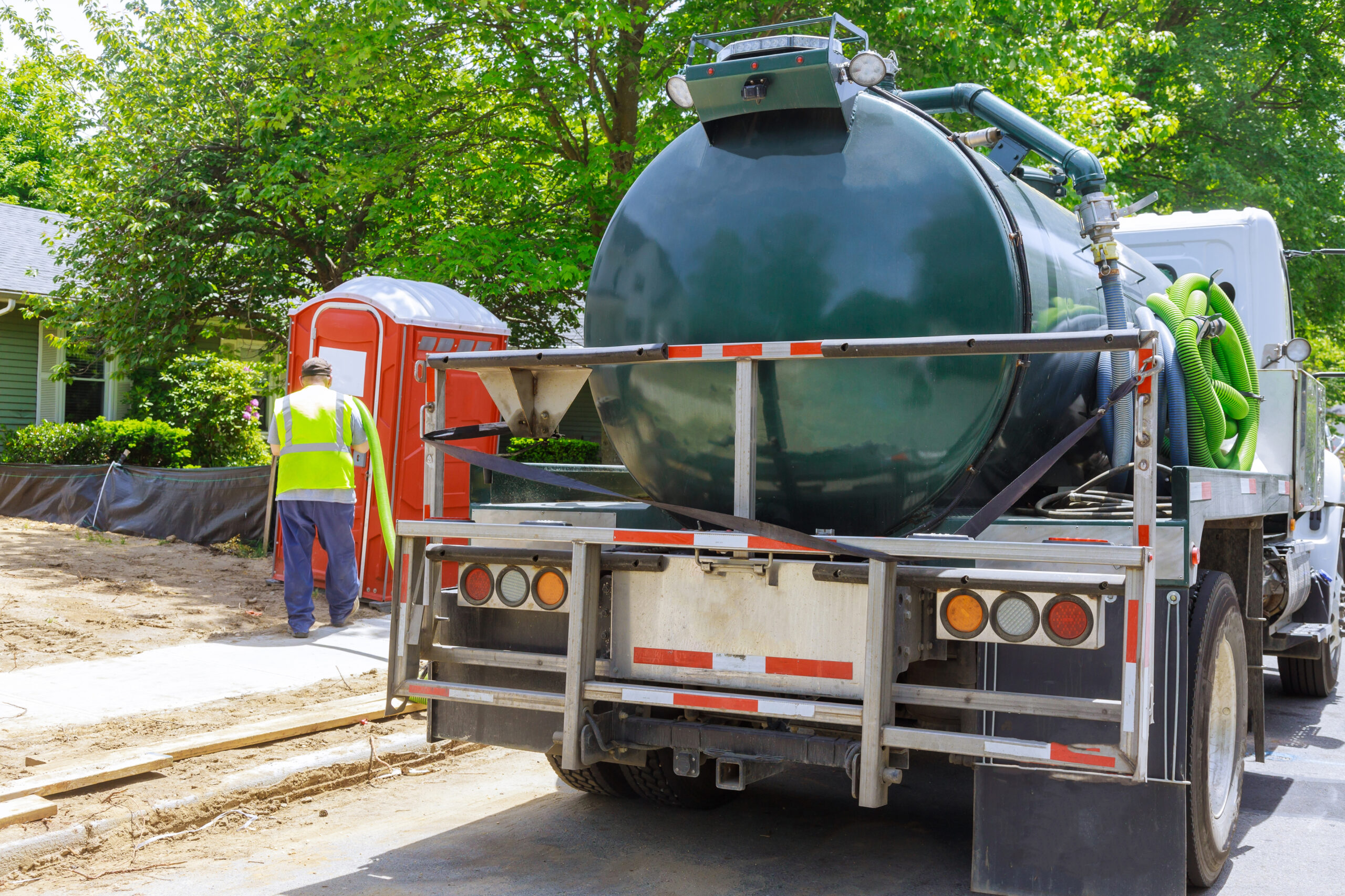
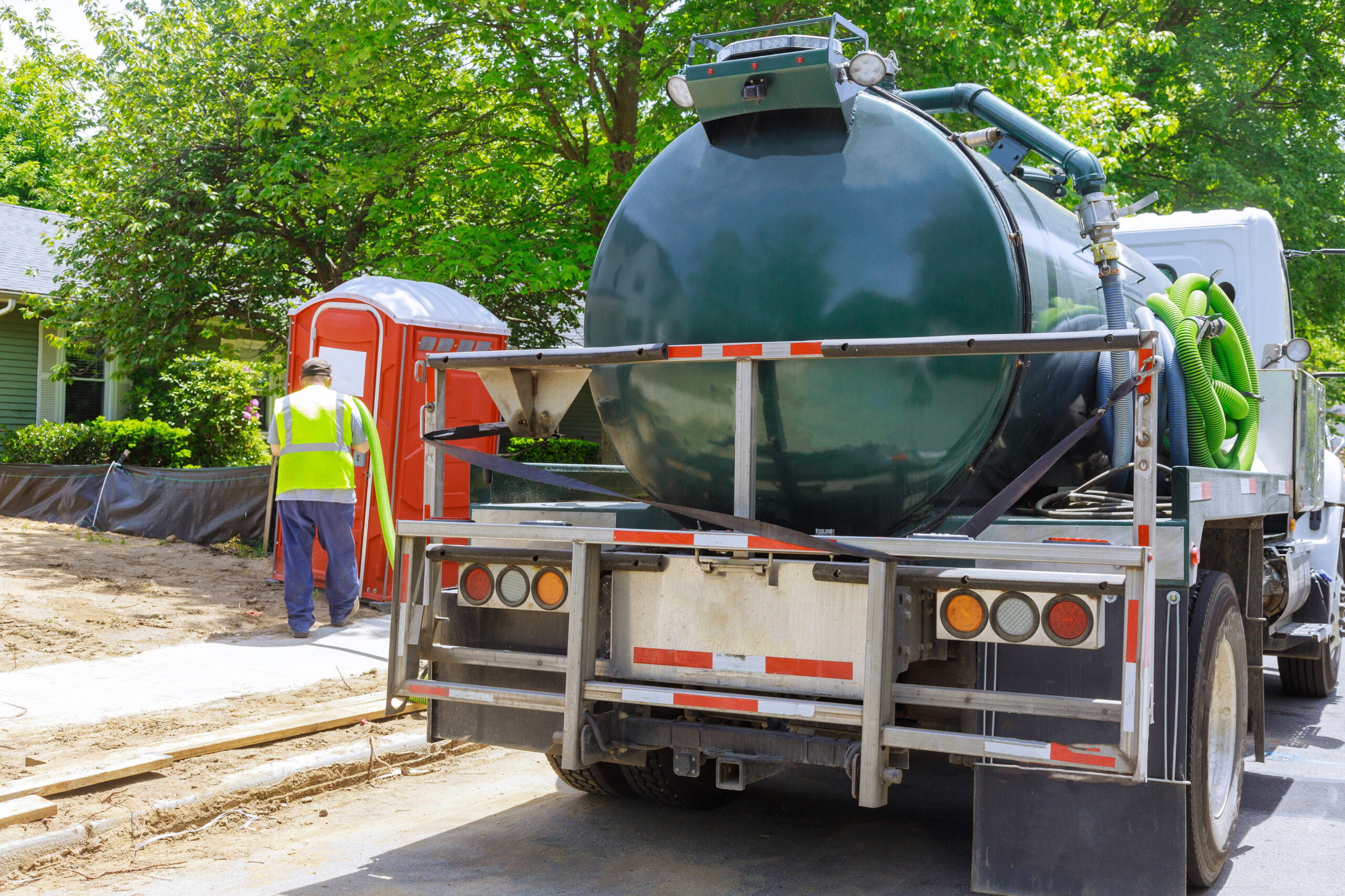
- Completely empties tank with vacuum tanker
- May flush with water to remove stubborn sludge
- Checks baffles and internal components
- Secures hatches
- Provides waste transfer note
After Service:
- Waste disposed at licensed facility
- Written report of tank condition
- Recommendations for repairs if needed
- Schedule next emptying
Emptying Costs
Typical costs in Lancashire and Greater Manchester:
- Standard septic tank (3000L): £150-£250
- Large tank (4000L+): £200-£350
- Treatment plant service: £200-£400
- Cesspool emptying: £150-£300 per visit
- Emergency callout: Premium rates apply
Annual service contracts often provide discounts and guaranteed response times.
Drainage Field Maintenance
Protecting Your Drainage Field
The drainage field is critical for final treatment:
- Never drive over it: Compacts soil and crushes pipes
- Don't build on it: Needs air circulation
- Keep trees away: Roots can clog pipes (10m minimum)
- No landscaping: Don't add soil or paving over field
- Divert surface water: Gutters shouldn't drain to field
Signs of Drainage Field Problems
- Soggy ground that doesn't dry
- Sewage odors outside
- Lush green grass in one area
- Tank fills faster than normal
- Water backs up into house
Drainage field failure often requires complete replacement (£3,000-£10,000+), so prevention is crucial.
Environmental Regulations
General Binding Rules
Since 2020, all septic systems must:
- Be properly maintained
- Not cause pollution
- Not discharge to surface water unless permitted
- Meet treatment standards if built after 2020
- Be registered with Environment Agency (treatment plants)
Discharge Consent
Required if you discharge to:
- Watercourses (streams, rivers, ditches)
- Groundwater in certain areas
- Special protection zones
Treatment plants generally need permits; older septic tanks may have exemptions but must upgrade when sold or significantly altered.
Penalties for Non-Compliance
- Fines up to £20,000 for pollution incidents
- Unlimited fines in serious cases
- Required upgrades or tank replacement
- Civil liability for environmental damage
Troubleshooting Common Problems
Problem: Slow Drainage Throughout House
Possible Causes:
- Tank full and needs emptying
- Blocked outlet pipe or baffle
- Drainage field saturated or failed
Solutions:
- Schedule immediate emptying
- Professional inspection and clearance
- Drainage field assessment and possible replacement
Problem: Foul Odors
Possible Causes:
- Tank overfull
- Damaged seals or hatches
- Vent pipe blocked
- Drainage field surfacing
Solutions:
- Empty tank
- Replace damaged seals
- Clear vent blockage
- Address drainage field issues
Problem: High Water Level in Tank
Possible Causes:
- Drainage field saturated
- Blocked outlet pipe
- Groundwater infiltration
- Excessive water use
Solutions:
- Reduce water usage temporarily
- Clear outlet blockage
- Repair tank leaks
- Install water-saving devices
Why Choose Aquaspeed for Septic Tank Services?
Serving Lancashire and Greater Manchester for over 30 years:
- Complete service: Emptying, maintenance, inspections, and repairs
- Licensed waste carrier: Proper disposal at authorized facilities
- Experienced technicians: Knowledgeable about all system types
- Modern fleet: Well-maintained vacuum tankers
- Flexible scheduling: Including emergency callouts
- Competitive pricing: Transparent quotes with no hidden fees
- Maintenance contracts: Regular scheduled service with reminders
- Full documentation: Waste transfer notes and inspection reports
Need your septic tank emptied or serviced? Call Aquaspeed on 0800 019 0073 to schedule your service. We offer regular maintenance contracts to keep your system running smoothly year-round.