Root Intrusion: How Tree Roots Destroy Drains and What to Do About It
Aquaspeed
Understanding Tree Root Damage to Drains
Tree roots seeking water and nutrients can wreak havoc on underground drainage systems. What starts as a hairline root penetrating a tiny crack can, over time, become a dense root mass completely blocking your drain. In Lancashire and Greater Manchester, with our established gardens and mature trees, root intrusion is one of the most common causes of drainage problems.
How Roots Find and Enter Drains
The Attraction of Drains
Tree roots don't randomly grow into pipes—drains are actively attractive to them:
- Warm air: Drains release vapour that roots can detect
- Moisture: Even tiny leaks provide water sources
- Nutrients: Wastewater is rich in nitrogen and phosphorus
- Oxygen: Pipe joints and cracks release oxygen into soil
Roots can detect these attractants from several metres away and will grow towards them.
How Roots Get In
- Joint failures: Old clay pipe joints often have gaps or failed seals
- Cracks: Ground movement, age, or damage creates entry points
- Displaced sections: Ground settlement can separate pipe sections
- Poor repairs: Previous DIY or substandard repairs may leave gaps
What Happens Next
- Fine root hairs penetrate through the smallest opening
- Access to water and nutrients causes rapid growth
- Root mass expands, widening the entry point
- Roots spread along the pipe, entering at multiple points
- Dense root ball forms, catching debris and causing blockages
- Pipe walls crack under pressure from expanding roots
- Complete blockage and/or pipe collapse occurs
Trees Most Likely to Cause Problems
High-Risk Trees
Willow Trees
- Most aggressive root system of UK trees
- Roots can extend 40+ metres from trunk
- Actively seek water—especially problematic near drains
- Fast-growing roots that quickly fill pipes
Poplar Trees
- Extremely vigorous root growth
- Roots spread up to 40 metres
- Notorious for drain and foundation damage
- Hybrid poplars particularly aggressive
Oak Trees
- Large, spreading root system
- Long-lived—decades of potential growth
- Root diameter can match crown spread
Ash Trees
- Widespread in UK gardens
- Aggressive roots seeking water
- Often planted close to properties historically
Medium-Risk Trees
- Sycamore
- Horse Chestnut
- Beech
- Birch
- Eucalyptus
Lower-Risk Trees
- Most fruit trees (apple, pear, cherry)
- Magnolia
- Japanese Maple
- Holly
- Yew
Other Plants That Cause Problems
- Bamboo: Rhizomes can penetrate pipes
- Large hedges: Leylandii, privet with established root systems
- Climbing plants: Ivy roots can exploit cracks
Signs of Root Intrusion
Early Warning Signs
- Slow draining sinks, baths, and toilets
- Gurgling sounds from drains
- Toilets that flush slowly or need multiple flushes
- Recurring blockages in the same drain
Advanced Warning Signs
- Frequent blockages requiring professional clearing
- Sewage smell in garden or from drains
- Lush grass patches over drain runs
- Sinkholes or soft spots in lawn
- Sewage backing up in lowest fixtures
Seasonal Patterns
Root problems often worsen at specific times:
- Late summer/early autumn: Trees actively seeking water during dry spells
- After pruning: Trees compensate by growing more roots
- Spring growth: Rapid root expansion as trees wake up
Diagnosing Root Intrusion
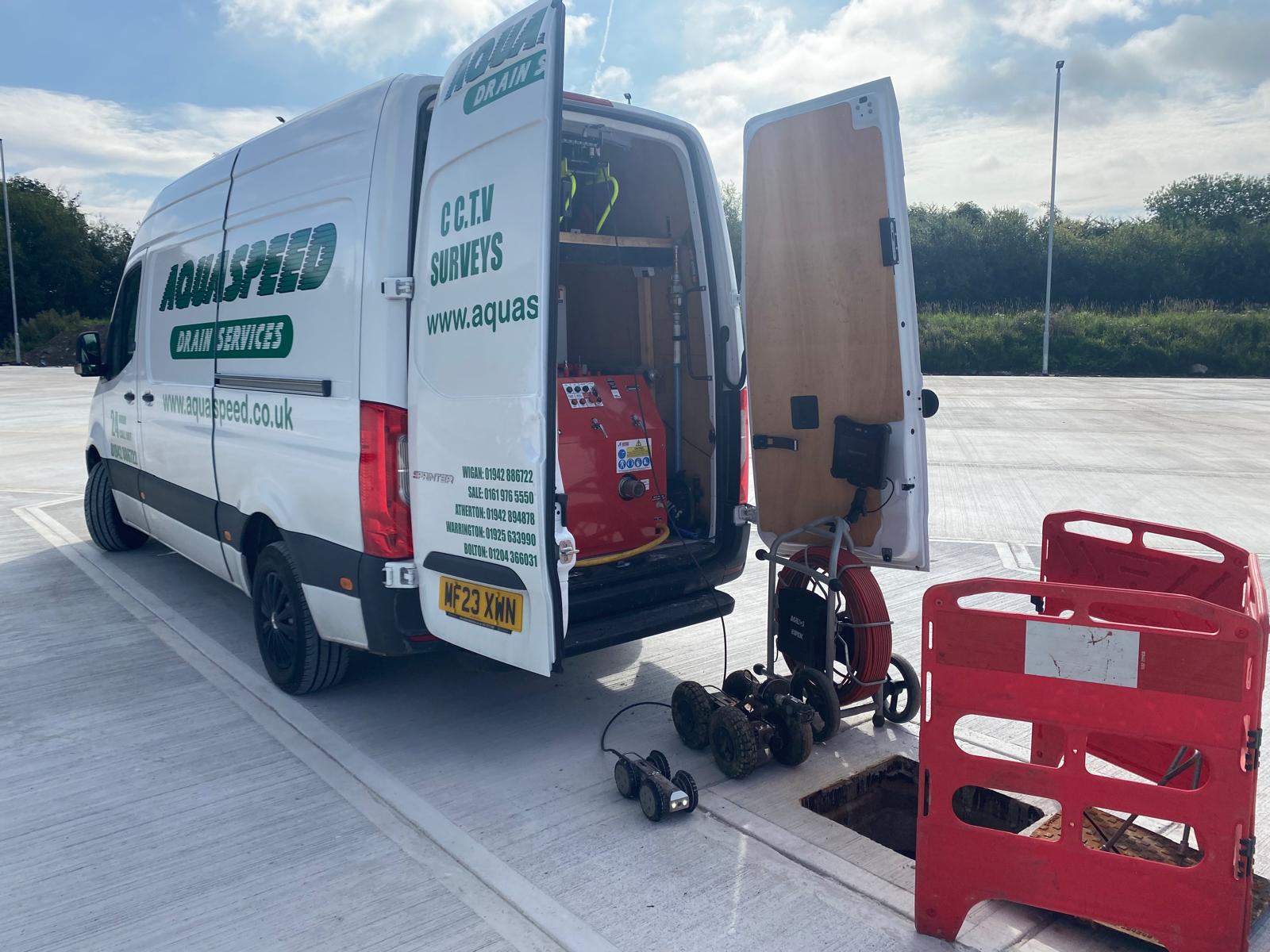
CCTV Survey
The only definitive way to confirm root intrusion:
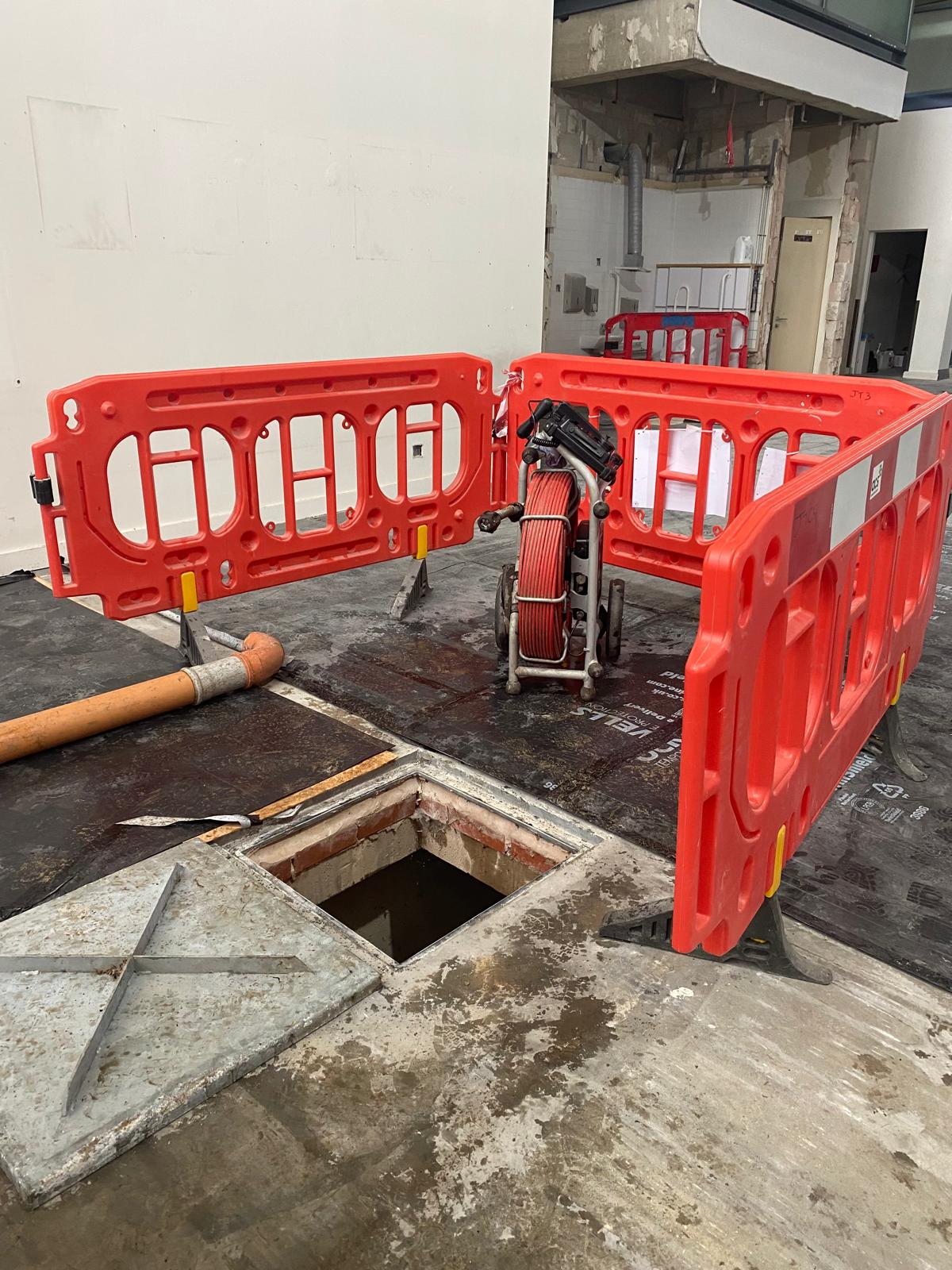
- Camera inserted through drain access points
- Roots visible as masses protruding into pipe
- Shows extent and location of intrusion
- Identifies pipe damage and multiple entry points
- Records condition for comparison after treatment
What the Survey Reveals
- Whether roots are the cause of blockages
- How far roots have spread
- Structural damage to pipes
- Whether pipes can be saved or need replacement
- Location for targeted treatment
Treatment Options
1. Mechanical Root Cutting
How it works:
- Rotating cutting head inserted into drain
- Blades cut through root mass
- Debris flushed away with water
Pros:
- Immediately clears blockage
- Effective for heavy root intrusion
- Restores full drainage capacity
Cons:
- Roots will regrow (typically within 12-24 months)
- Doesn't prevent future intrusion
- Repeated treatment needed
Cost: £200-500
2. High-Pressure Water Jetting
How it works:
- Specialized root-cutting nozzles used
- High-pressure water slices through roots
- Cleans pipe walls of debris
Pros:
- Very effective for moderate root intrusion
- Cleans pipe thoroughly
- Less invasive than mechanical cutting
Cons:
- May not cut very thick roots
- Roots will regrow
- Can damage already weakened pipes
Cost: £150-400
3. Drain Relining (Permanent Solution)
How it works:
- Roots cut and cleared first
- Resin-saturated liner installed
- Creates new pipe within the old one
- Seals all cracks and joints
Pros:
- Permanent solution—roots cannot re-enter
- No excavation required
- 50+ year lifespan
- Strengthens existing pipe
Cons:
- Higher initial cost
- Slight reduction in pipe diameter
- Not suitable for collapsed pipes
Cost: £1,500-5,000 depending on length
4. Pipe Replacement
When necessary:
- Pipe too damaged for relining
- Multiple collapses or severe displacement
- Pipe diameter too small for lining
Process:
- Excavate to damaged section
- Remove damaged pipe and roots
- Install new pipework
- Consider root barriers
Cost: £200-500 per metre plus reinstatement
Preventing Root Intrusion
For New Planting
- Know where your drains run before planting
- Keep large trees at least 10 metres from drains
- Avoid high-risk species near drainage runs
- Consider root barriers when planting
Safe Planting Distances
- Willow/Poplar: Minimum 15 metres
- Oak/Ash/Sycamore: Minimum 10 metres
- Medium trees (Birch, Cherry): Minimum 5 metres
- Small trees and large shrubs: Minimum 3 metres
Root Barriers
Physical barriers that redirect root growth:
- Heavy-duty plastic or geotextile
- Installed vertically in trench between tree and drain
- Must extend below root zone depth (typically 1m+)
- Can be installed around existing trees
Cost: £30-50 per metre (materials) plus installation
Proactive Maintenance
- Annual CCTV survey if trees near drains
- Preventative root cutting every 1-2 years
- Consider chemical root growth inhibitors (controversial, restricted use)
- Keep drains in good repair—roots exploit weaknesses
Legal Considerations
Tree Ownership
- You can cut roots that enter your property
- You should return cut roots to the tree owner
- You cannot enter neighbour's property without permission
- You may be able to claim damages for tree damage
Insurance
Most home insurance covers drain damage from tree roots, but:
- May have excess to pay
- Repeat claims may affect premiums
- Some policies exclude gradual damage
- Check your specific policy wording
Protected Trees
If a tree has a TPO (Tree Preservation Order) or is in a conservation area:
- You need council permission to remove it
- Root cutting may be permitted with evidence of damage
- Get professional advice before acting
Suspect root intrusion in your drains? Call Aquaspeed on 0800 019 0073 for a CCTV survey that will definitively identify root problems and their extent. Our experienced team can recommend the most cost-effective solution, from one-off clearing to permanent relining.