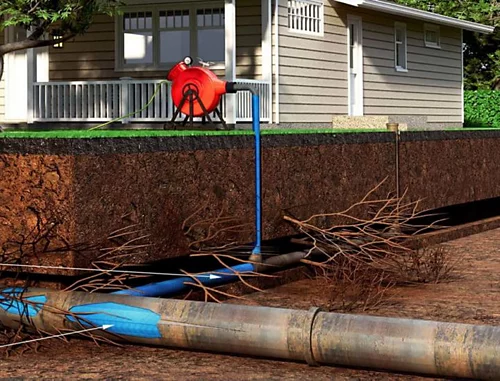
No-Dig Drain Repairs: Modern Solutions for Damaged Pipes
Aquaspeed
Revolutionary Drain Repair Without Excavation
Traditional drain repairs meant digging up gardens, driveways, and even internal floors. Modern no-dig technology has transformed drain repairs, allowing us to fix damaged pipes without the mess, disruption, and expense of excavation.
What is No-Dig Drain Repair?
No-dig drain repair, also known as trenchless technology, repairs or replaces damaged pipes from the inside using minimal access points. The main techniques include:
- Pipe relining (CIPP): Creating a new pipe within the old one
- Patch repairs: Targeting specific damaged sections
- Pipe bursting: Replacing pipes without trenches
- Slip lining: Inserting a smaller diameter pipe inside the existing one
CIPP (Cured-In-Place Pipe) Relining Explained
The most popular no-dig method, CIPP creates a seamless new pipe inside your existing drainage:
The CIPP Process
Step 1: Pre-Inspection and Cleaning
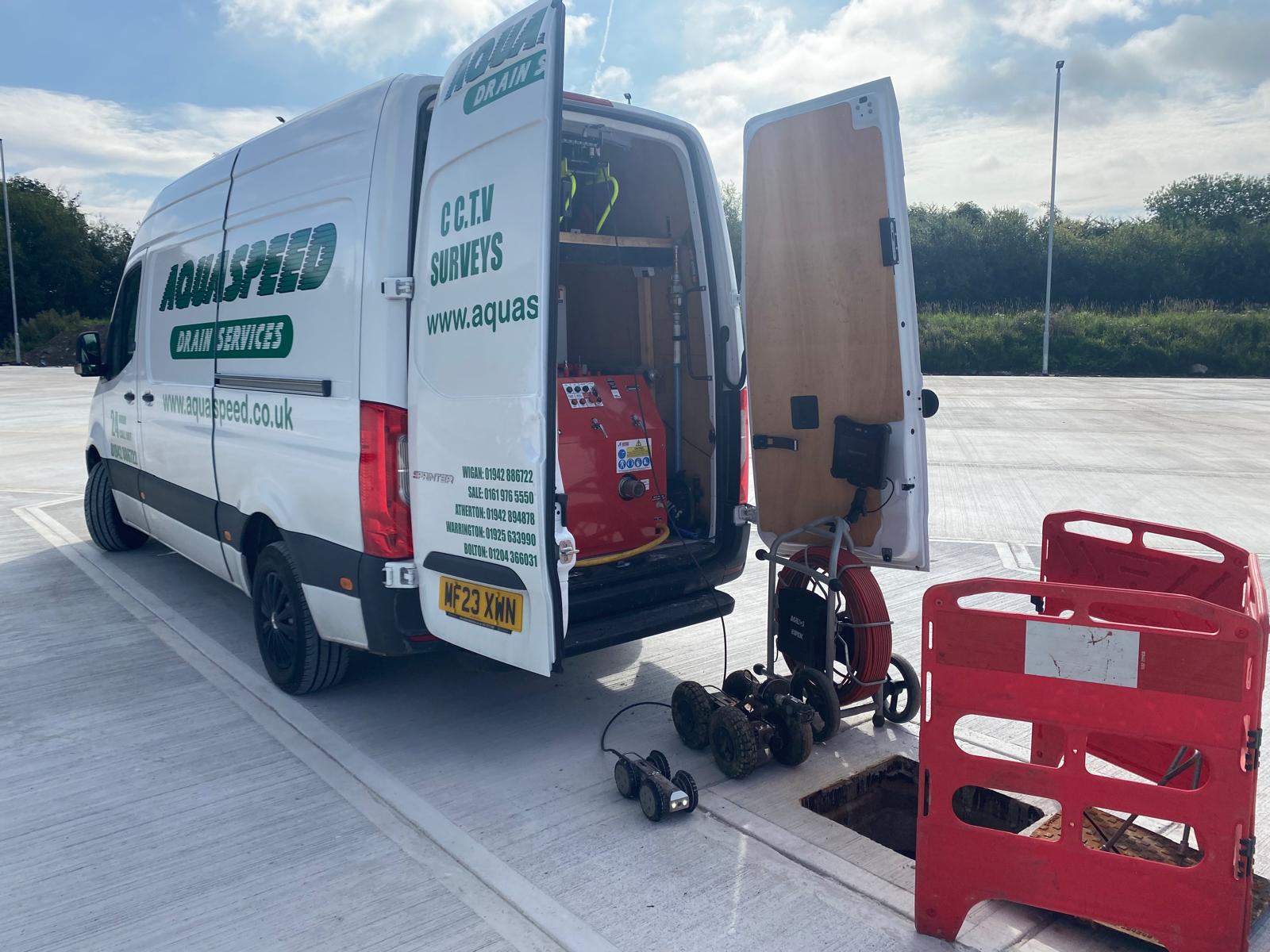
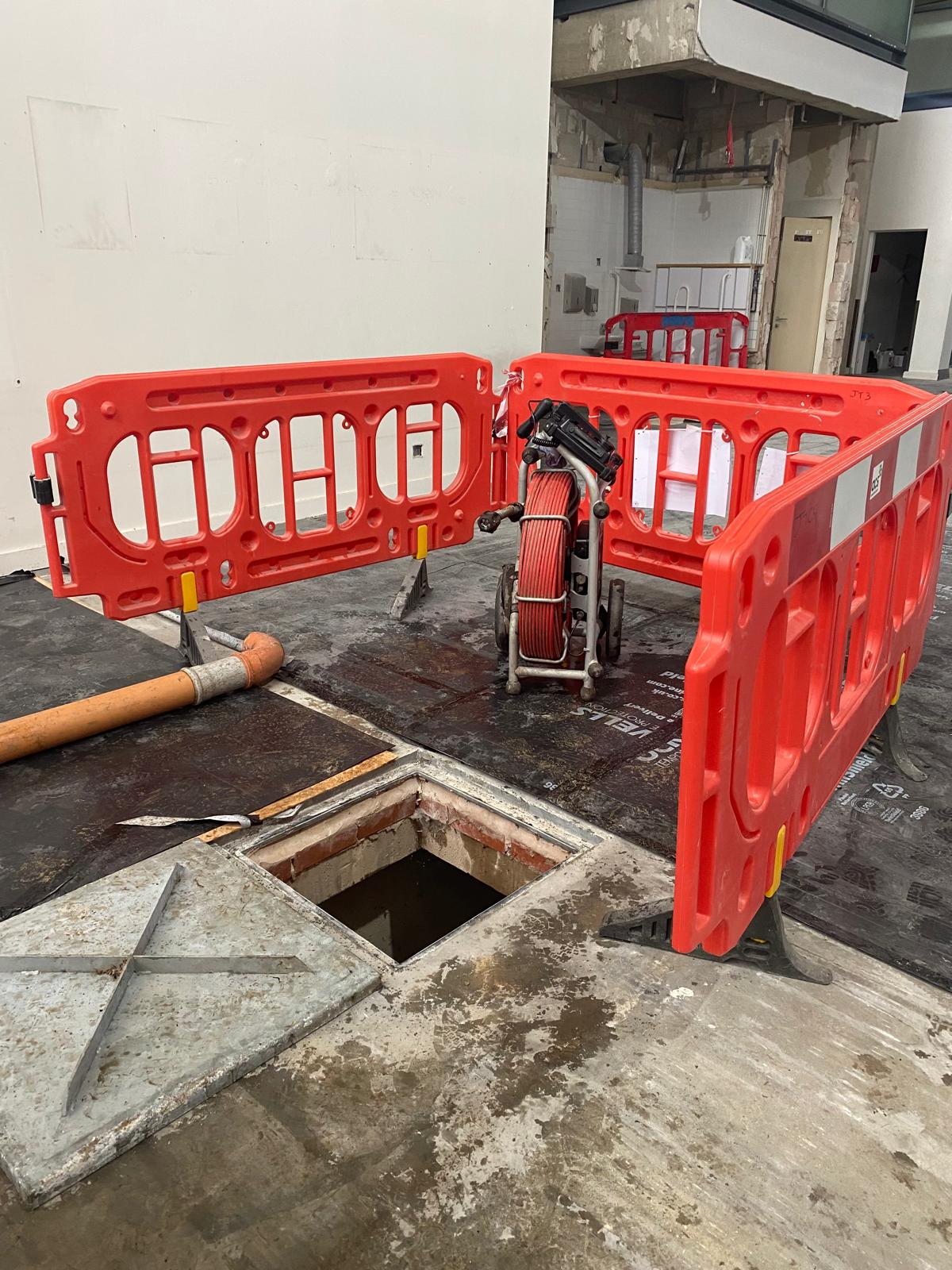
- CCTV survey identifies damage location and extent
- High-pressure water jetting removes debris and scale
- Detailed assessment determines if relining is suitable
- Customer approval with video evidence and quote
Step 2: Liner Preparation
- Flexible liner tube saturated with specialized resin
- Custom-sized for your specific pipe diameter
- Resin formulated for drain environments
- Loaded onto insertion equipment
Step 3: Liner Installation
- Liner inserted through existing access point
- Inflated to press against pipe walls
- Positioned precisely using CCTV monitoring
- Covers entire damaged section plus overlap
Step 4: Curing Process
- Hot water or UV light cures the resin
- Typically takes 2-4 hours depending on pipe size
- Creates rock-hard, seamless new pipe
- Stronger than many original pipes
Step 5: Finishing and Verification
- Inflation bladder removed
- Connections reopened with robotic cutters
- Final CCTV inspection confirms quality
- System returned to full operation
Problems No-Dig Technology Can Solve
Cracked and Fractured Pipes
Common in older clay and concrete pipes:
- Ground movement and settlement
- Tree root pressure
- Age-related deterioration
- Freeze-thaw damage
- Heavy traffic over pipe runs
Relining creates a completely sealed new pipe, preventing root intrusion and further deterioration.
Displaced or Misaligned Joints
Particularly common in Victorian-era drainage:
- Old pipe sections separated over time
- Creating gaps that leak and catch debris
- Allow root entry points
- Cause repeated blockages
The continuous liner bridges all joints, creating a seamless interior.
Root-Damaged Pipes
A growing problem in established neighborhoods:
- Roots enter through cracks and joints
- Expand and fracture pipes
- Create recurring blockages
- Eventually cause pipe collapse
After root removal, relining seals entry points and prevents re-entry.
Corrosion and Erosion
Affects metal and concrete pipes:
- Internal pipe walls deteriorate
- Creates rough surfaces that catch debris
- Leads to leaks and structural failure
- Reduces pipe diameter over time
New liner provides smooth, corrosion-resistant surface.
Advantages Over Traditional Excavation
Cost Savings
Significant financial benefits:
- No excavation costs: Save £2,000-£8,000+ on digging
- No restoration needed: Driveways, gardens, and floors untouched
- Faster completion: Usually completed in one day vs. weeks
- Less labor required: Smaller crew, less time on site
- No temporary accommodation: Property remains fully habitable
Minimal Disruption
Keep your life on track:
- Work typically completed in 1-2 days
- Gardens and landscaping preserved
- No pile of excavated dirt
- Driveways remain intact
- Business operations continue normally
Superior Results
Often better than excavation and replacement:
- Seamless construction: No joints to leak or separate
- Smooth interior: Better flow characteristics than old pipes
- Root-proof: Continuous barrier prevents intrusion
- Corrosion-resistant: Modern materials outlast traditional pipes
- 50+ year lifespan: Long-term solution, not a temporary fix
Environmental Benefits
- No heavy machinery tearing up property
- Reduced carbon footprint from less equipment
- Existing pipes remain in ground (no landfill waste)
- Less disruption to surrounding ecosystem
- No damage to tree roots during excavation
Types of No-Dig Repairs
Full Pipe Relining
Best for:
- Multiple cracks or damaged sections
- General pipe deterioration
- Pipes with multiple joint issues
- Preventive upgrade of aging systems
- Runs up to 50+ meters in length
Cost: £80-£200 per meter depending on diameter and access
Patch Relining
Ideal for:
- Isolated cracks or holes
- Single damaged joint
- Cost-effective for limited damage
- Quick repairs (2-4 hours)
- Patches from 500mm to several meters
Cost: £400-£1,200 per patch depending on size
Pipe Bursting
Used when:
- Complete pipe replacement needed
- Upgrading to larger diameter
- Severe collapse or damage
- Changing pipe material entirely
Old pipe is broken up while new one is pulled through, requiring only small access pits.
Cost: £100-£250 per meter
Pipe Materials Suitable for Relining
No-dig repairs work with virtually all pipe materials:
Clay Pipes
- Common in properties built before 1960s
- Prone to cracking and root intrusion
- Excellent candidates for relining
- Liner provides modern performance
Concrete Pipes
- Often corroded internally
- Joint problems common
- Relining stops further deterioration
- Extends life by 50+ years
Cast Iron Pipes
- Corrodes from inside out
- Relining before failure prevents excavation
- Common in older commercial buildings
Plastic Pipes (PVC, HDPE)
- Can crack from ground movement
- Sometimes damaged during installation
- Relining repairs without accessing buried pipes
When is No-Dig Repair Not Suitable?
While versatile, some situations require traditional excavation:
Complete Pipe Collapse
- Severe crushing that prevents liner insertion
- May need partial excavation to create space
- Or use pipe bursting instead
Severe Misalignment
- Pipes offset more than 25-30%
- Sharp bends that prevent liner passage
- May require excavation to realign
No Access Points
- Sealed systems without suitable entry
- Creating access points may require limited digging
Extremely Short Damaged Sections
- Sometimes a simple excavation is more cost-effective
- Depends on location and access
The No-Dig Assessment Process
Step 1: CCTV Drain Survey
Essential first step:
- Identifies exact problem location
- Assesses severity and extent
- Determines if no-dig is suitable
- Provides video evidence
- Allows accurate quoting
Step 2: Detailed Quotation
Transparent pricing includes:
- Pre-work cleaning and preparation
- Liner materials and installation
- Post-work inspection
- Guarantee/warranty details
- Timeline for completion
Step 3: Customer Approval
You'll receive:
- Copy of CCTV footage
- Written report of findings
- Clear explanation of recommended solution
- Opportunity to ask questions
- No-obligation decision time
Guarantees and Warranties
Professional no-dig repairs come with substantial guarantees:
Typical Warranty Periods
- Workmanship: 10-20 years
- Materials: 50+ year expected lifespan
- Full system function: 10 years typical
What's Covered
- Liner failure or delamination
- Leaks through repaired section
- Material defects
- Installation issues
Always ensure your contractor provides written guarantees and is properly insured.
No-Dig Repairs for Different Property Types
Residential Properties
Perfect for homes because:
- Preserves gardens and landscaping
- Avoids disrupting family life
- No damage to driveways or patios
- Completed while residents at home
- Future-proofs drainage system
Commercial Properties
Minimal business disruption:
- Work around business hours
- No closing for repairs
- Preserves car parks and access
- Avoids health and safety concerns from excavation
- Quick completion reduces lost revenue
Listed Buildings and Conservation Areas
Ideal for heritage properties:
- No damage to historic gardens
- Preserves original features
- Often approved when excavation wouldn't be
- Maintains property value and character
Case Study: Victorian Terraced House in Liverpool
Problem: Recurring blockages in main sewer under house floor
Traditional Solution: Dig up living room floor, replace 8 meters of pipe
- Cost: £6,500
- Duration: 5-7 days
- Disruption: Family decanted to hotel
- Floor and decoration restoration required
No-Dig Solution: CIPP relining from external manhole
- Cost: £2,400
- Duration: 1 day
- Disruption: Minimal, family remained in house
- No restoration needed
- Saving: £4,100 and weeks of upheaval
Why Choose Aquaspeed for No-Dig Repairs?
With over 30 years serving Lancashire and Greater Manchester:
- Experienced specialists: Hundreds of successful no-dig projects
- Latest technology: State-of-the-art CIPP equipment
- Comprehensive service: From survey to completion
- Quality materials: Only approved, certified relining systems
- Extended warranties: 10-year guarantees on workmanship
- Transparent pricing: Fixed quotes, no hidden costs
- Full insurance: Public liability and professional indemnity
Thinking about no-dig drain repair? Call Aquaspeed on 0800 019 0073 for a free CCTV survey and no-obligation quote. Discover how we can fix your drainage problems without digging up your property.