Emergency Drain Unblocking: What to Do When Disaster Strikes
Aquaspeed
Drainage Emergencies: Stay Calm and Act Fast
A drainage emergency can happen at any time. Whether it's sewage backing up into your home at midnight or a completely blocked toilet during a Sunday dinner party, knowing what to do in those critical first minutes can prevent thousands of pounds in damage and protect your family's health.
What Qualifies as a Drainage Emergency?
Immediate Emergency Situations
Call emergency drainage services immediately if you experience:
- Sewage backup into property: Raw sewage entering bathrooms, kitchens, or living areas
- Complete toilet blockage: No toilets in property working
- Manhole overflow: Sewage overflowing from external manholes
- Flooding from drains: Water backing up and flooding floors
- Burst pipes leaking sewage: Visible sewage leaks inside or outside
- Collapsed drain visible: Ground subsidence indicating pipe collapse
Urgent But Not Immediate
Schedule same-day or next-day service for:
- One toilet blocked (others working)
- Slow drainage throughout property
- Foul odors from drains
- Gurgling sounds from multiple drains
- External drain backing up (not overflowing)
- Visible tree root intrusion
Immediate Actions: First 15 Minutes
Step 1: Stop Using All Water (2 minutes)
Critical Actions:
- Alert everyone in property: No toilets, sinks, showers, or washing machines
- Turn off washing machines/dishwashers: Mid-cycle if necessary
- Don't flush toilets: Even if tempted to "clear" them
- Stop running taps: Every drop adds to backup
- Inform neighbors if shared drains: Ask them to stop using water too
Why This Matters: Every gallon of water added to a blocked system increases backup, damage, and cleanup costs. A family of four can add 50+ gallons per hour through normal use.
Step 2: Protect Your Property (5 minutes)
If Sewage is Backing Up:
- Move valuables: Lift items off floor in affected areas
- Lift carpets/rugs: If possible without stepping in sewage
- Block doorways: Use towels to prevent spread to other rooms
- Turn off electricity: In affected rooms if water present
- Open windows: Ventilate to reduce toxic fumes
If Drains are Overflowing Outside:
- Keep people and pets away: Sewage is a serious health hazard
- Protect garden features: Direct overflow away from decking, patios
- Alert neighbors: Especially if overflow heading their way
- Take photos/video: For insurance purposes
Step 3: Call Emergency Drainage Services (3 minutes)
When You Call, Provide:
- Your exact location and property type
- Description of problem (sewage backup, overflow, complete blockage)
- Which fixtures are affected
- How long the problem has been occurring
- Any recent changes (heavy rain, construction, tree work)
- Whether you have access to drains/manholes
- Any health/mobility issues requiring special consideration
Questions to Ask:
- How quickly can you attend? (Expect 1-2 hours in emergencies)
- What's the callout fee?
- What payment methods do you accept?
- Will the technician have necessary equipment?
- Do you provide 24/7 service?
Step 4: Safety Assessment (5 minutes)
Check for Immediate Dangers:
- Electrical hazards: Water near outlets or appliances
- Slip hazards: Sewage is extremely slippery
- Structural concerns: Subsidence or floor damage
- Health risks: Vulnerable people exposed to sewage
- Gas smells: Sewer gas can be explosive
If Serious Safety Concerns:
- Evacuate affected areas
- Call 999 if gas smells strong or electrical hazard severe
- Contact utility companies (gas, electric) if needed
- Consider temporary accommodation for vulnerable residents
While Waiting for Emergency Services
What You Can Do (Safely)
External Inspection:
- Locate manholes and inspection chambers
- Check if you can see blockage (don't attempt to clear)
- Look for obvious damage (collapsed grates, broken covers)
- Note any unusual factors (recent construction, tree roots visible)
- Clear access path for emergency crew
Document Everything:
- Take photos and videos of damage
- Note time blockage started
- Record actions you've taken
- Keep receipts for any emergency purchases
- Document communication with drainage company
Prepare for Technician:
- Clear access to affected areas
- Locate property drainage plans if available
- Secure pets in separate room
- Have property keys ready if access needed
- Prepare work area with lighting if needed
What NOT to Do
Dangerous Actions to Avoid:
- Don't use chemical drain cleaners: Creates toxic mix, hazardous for technicians
- Don't attempt powered drain augers: Can cause serious pipe damage
- Don't enter manholes: Toxic gases can kill in seconds
- Don't flush repeatedly: Makes problem worse
- Don't pour water down drains: To "test" them - adds to backup
- Don't ignore health risks: Sewage exposure requires medical attention
Understanding Response Times
What to Expect from 24/7 Emergency Services
Typical Response Times:
- Major emergencies (sewage backup): 1-2 hours
- Urgent issues (complete blockage): 2-4 hours
- Evening/weekend callouts: 2-6 hours depending on location
- Remote areas: May be longer, discuss when booking
Factors Affecting Response:
- Time of day (peak times may be slower)
- Weather conditions (storms create high demand)
- Your location (rural vs. urban)
- Severity (life-threatening prioritized)
- Current workload (other emergencies)
Emergency Costs: What to Expect
Typical Emergency Drainage Costs
Emergency Callout Fees (Lancashire/Greater Manchester):
- Standard hours (Mon-Fri, 8am-6pm): £80-£150
- Evening (6pm-10pm): £120-£200
- Night (10pm-8am): £150-£300
- Weekends: £120-£250
- Bank holidays: £150-£400
Common Emergency Work:
- Simple blockage clearance: £150-£300 total
- High-pressure jetting: £200-£500
- CCTV survey (if needed): +£100-£200
- Multiple blockages: £300-£600
- Excavation access: £500-£2,000+
Money-Saving Tips:
- If safe, wait until morning for lower rates
- Check if home insurance covers emergency drainage
- Get quote before work starts
- Ask about payment plans for major work
- Keep drainage company receipts for insurance claims
Common Emergency Scenarios and Solutions
Scenario 1: Toilet Backing Up During Party
Symptoms:
- Toilet won't flush or water rises
- Multiple people noticed slow drainage earlier
- Now completely blocked
Immediate Actions:
- Put "out of order" sign on toilet
- Direct guests to other facilities if available
- If only toilet, apologize and consider ending event
- Call emergency service
- Check external manholes - may be simple clearance
Professional Solution: Usually cleared within 1-2 hours with high-pressure jetting.
Scenario 2: Sewage Backing Up Into Bath Overnight
Symptoms:
- Wake to sewage in bathtub
- Foul smell throughout house
- Toilet won't flush
Immediate Actions:
- Don't use any water
- Open windows for ventilation
- Keep children/pets away from bathroom
- Call emergency drainage immediately
- Consider hotel if sewage exposure risk high
Professional Solution: Typically blocked main sewer. Requires jetting and possibly CCTV survey. Cleanup and disinfection needed after clearance.
Scenario 3: Manhole Overflowing Into Garden
Symptoms:
- Sewage bubbling from manhole cover
- Spreading across lawn or patio
- Multiple properties may be affected
Immediate Actions:
- Keep everyone away from overflow area
- Alert neighbors (may be shared drain)
- Take photos for insurance
- Call emergency drainage
- Contact water company if shared sewer suspected
Professional Solution: Locate blockage point, clear with jetting equipment. May need to determine if private or public sewer.
Scenario 4: Heavy Rain Causing Backup
Symptoms:
- During/after heavy rain, drains back up
- External gullies overflowing
- Garden flooding from drains
Immediate Actions:
- Check if neighboring properties also affected (may be public sewer)
- Clear debris from external grates if safe
- Reduce water use during storm
- Document for insurance
- Call drainage service if doesn't clear when rain stops
Professional Solution: May need soakaway repairs, drainage field upgrade, or separation of rainwater from sewage system.
After the Emergency is Resolved
Immediate Follow-Up
With Drainage Company:
- Request written report of work done
- Ask for CCTV survey results if performed
- Discuss preventive measures
- Schedule any recommended repairs
- Get warranty information
- Keep all receipts and documentation
Cleanup and Disinfection:
- If sewage entered property: Professional cleanup recommended
- Affected areas: Disinfect with bleach solution (1:10 ratio)
- Carpets/soft furnishings: Usually need professional cleaning or disposal
- Hard surfaces: Clean thoroughly, then disinfect
- Air out property: Continue ventilation for 24-48 hours
Insurance Claims
Home Insurance May Cover:
- Emergency drainage callout fees
- Damage to property from sewage
- Professional cleaning costs
- Temporary accommodation if needed
- Replacement of damaged belongings
Document for Insurance:
- Photos/videos of damage
- All receipts from drainage work
- Drainage company report
- List of damaged items with values
- Cleaning/restoration quotes
Preventing Future Emergencies
Based on This Emergency:
- Address underlying causes identified
- Schedule recommended repairs
- Consider preventive maintenance contract
- Install monitoring systems if recommended
- Update property drainage plans
General Prevention:
- Annual CCTV survey if older drainage
- Regular professional cleaning
- Don't pour fat/grease down drains
- Use drain guards to catch debris
- Address tree roots before they cause problems
Health and Safety After Sewage Exposure
Immediate Health Concerns
Sewage Contains:
- E. coli and other harmful bacteria
- Viruses including hepatitis
- Parasites and worms
- Toxic gases (hydrogen sulfide, methane)
- Chemical contaminants
If Exposed to Sewage:
- Wash immediately: Soap and hot water for 20+ minutes
- Remove contaminated clothing: Wash separately or discard
- Disinfect any cuts/scrapes: Even minor ones
- Monitor for symptoms: Nausea, vomiting, diarrhea, fever
- Seek medical attention if: Symptoms develop, cuts exposed, immunocompromised
Particularly Vulnerable:
- Young children
- Elderly residents
- Pregnant women
- People with weakened immune systems
- Those with existing health conditions
When to Call Your Water Company vs. Private Drainage Service
Water Company Responsibility
Call your water company if:
- Blockage in public sewer (usually in road)
- Multiple properties affected
- Problem is beyond your property boundary
- Shared drainage system with neighbors
- Main sewer backing up into your lateral drain
Usually Free Service: Water companies handle public sewers at no cost to you.
Private Drainage Company Responsibility
Call private emergency drainage if:
- Problem within your property boundary
- Only your property affected
- Blockage in private drains or laterals
- Septic tank or treatment plant issues
- Faster response needed than water company can provide
Your Cost: Private drainage work is property owner's responsibility.
Why Choose Aquaspeed for Drainage Emergencies?
When disaster strikes, you need a drainage company you can trust:
- True 24/7 service: Real people answering phones, not voicemail
- Rapid response: Target 1-2 hour response for genuine emergencies
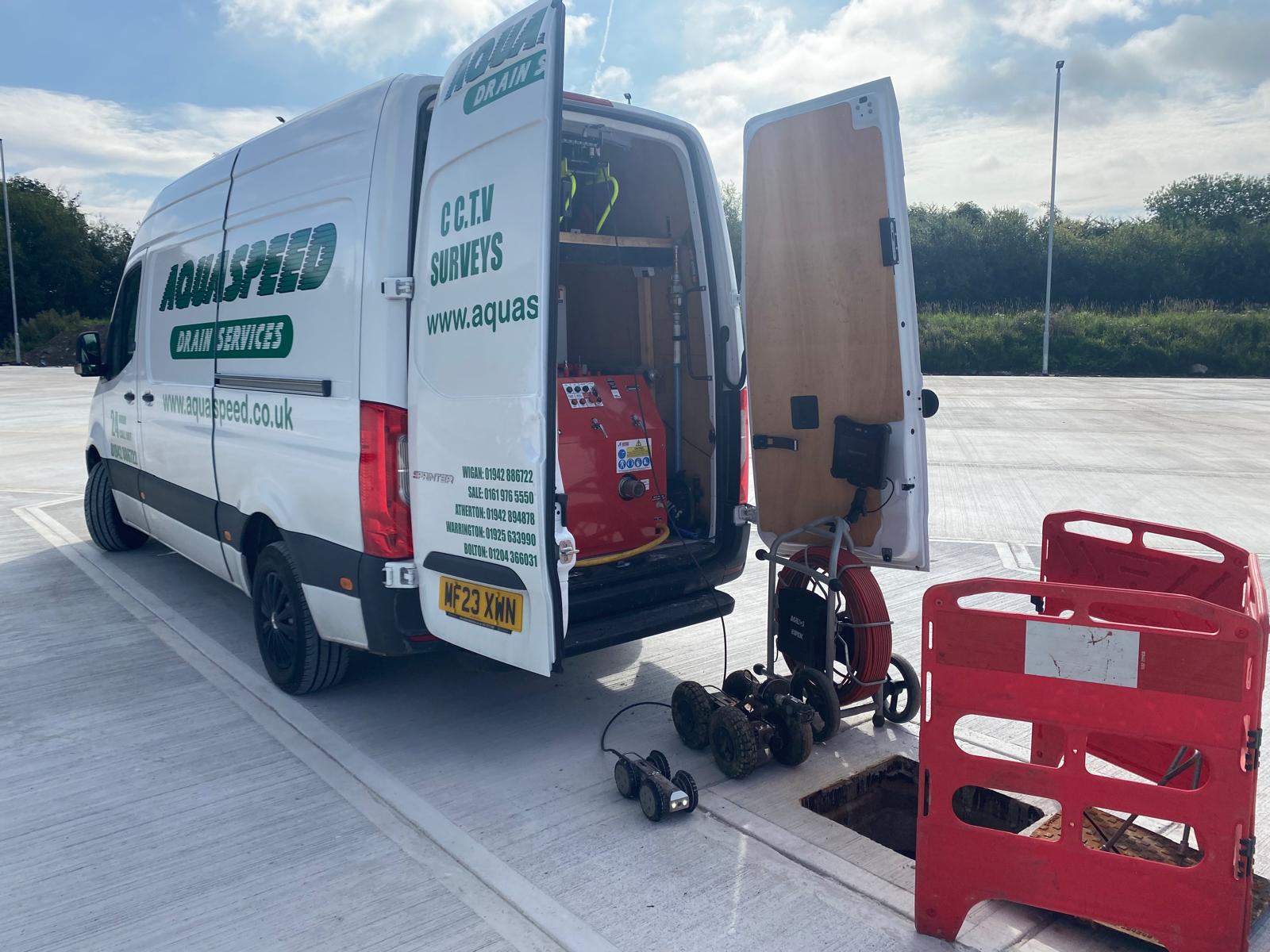
- Fully equipped: Every van carries high-pressure jetting and CCTV
- Experienced technicians: 30+ years handling Lancashire emergencies
- Transparent pricing: Quote before work, no hidden charges
- Insurance-friendly: Full documentation for your claims
- Follow-up service: Preventive advice and scheduled repairs
Drainage emergency? Call Aquaspeed immediately on 0800 019 0073. We're available 24 hours a day, 7 days a week, 365 days a year. Fast, professional response when you need it most.