
Understanding Drain Ownership: Who's Responsible for Repairs?
Aquaspeed
Drainage Ownership: A Complex but Important Topic
One of the most common questions homeowners ask when facing drainage problems is: "Who's responsible for fixing this?" The answer isn't always straightforward, but understanding drainage ownership can save you thousands in unnecessary repairs and prevent disputes with neighbors and water companies.
The 2011 Rule Change: What Changed?
Before October 2011
Homeowners Were Responsible For:
- All drains within their property boundary
- Lateral drains (pipes from house to public sewer, even if under road)
- Shared drains serving multiple properties
- Repairs could cost £5,000-£20,000+ per property
Water Companies Responsible For:
- Public sewers only (main sewers in streets)
- No responsibility for private laterals
After October 1, 2011
Major Transfer of Responsibility:
- Most lateral drains became water company responsibility
- Most shared drains transferred to water companies
- Estimated 280,000 miles of private drains became public sewers
- Significant reduction in homeowner liability
Why the Change?
- Fairness: shared drains serve multiple properties but one owner bore all costs
- Affordability: repair costs often unaffordable for homeowners
- Environmental protection: better maintenance of all sewers
- Clarity: simpler responsibility boundaries
Current Ownership Rules
What You Own and Must Maintain
Private Drains (Your Responsibility):
- Definition: Pipes serving only your property, within your boundary
- Includes:
- All drains inside your house
- Drains in your garden serving only your property
- Inspection chambers/manholes on your property (if serving only you)
- Gullies and drainage grates
- Connection from your property to sewer (if only serving you)
- Your responsibility: All maintenance, repairs, and replacement costs
What the Water Company Owns and Maintains
Public Sewers (Water Company Responsibility):
- Main sewers: Large pipes under roads and public land
- Lateral drains: Pipes from property boundary to public sewer (usually under road)
- Shared drains: Pipes serving two or more properties
- Pumping stations: Serving multiple properties
Exception - Single Properties:
- If drain only serves your property, even beyond boundary, you may still be responsible
- Some older properties have long runs to sewers serving only them
- Check with water company if unclear
Determining Responsibility for Your Drainage
Step 1: Identify What's Affected
Ask Yourself:
- Which fixtures aren't draining? (toilet, sink, all drains?)
- Are neighbors also affected?
- Where is the blockage/problem located?
- Is it inside or outside your boundary?
- Does it serve only your property or also neighbors?
Step 2: Check the Location
Inside Your Property Boundary:
- If only your property affected: Usually your responsibility
- If neighbors also affected: Likely water company (shared drain)
- Need to verify: Does drain serve multiple properties?
Outside Your Property Boundary:
- Under road or pavement: Almost certainly water company
- Across neighbor's property: Depends if shared or just yours
- Public land: Water company responsibility
Step 3: Test for Shared Drains
Indicators of Shared Drainage:
- Neighbors also experiencing problems
- Victorian terraced properties (commonly shared)
- Semi-detached houses (often shared laterals)
- Manhole in your garden serves neighbor's property
- Water company records show shared sewer
How to Verify:
- Ask neighbors if they have drainage issues
- Check with water company (they have sewer maps)
- CCTV survey can show connections
- Look at property deeds (sometimes show drainage arrangements)
Common Scenarios and Responsibility
Scenario 1: Blocked Toilet (Only Yours Affected)
Location: Blockage in toilet or immediate waste pipe
Responsibility: Yours - private drain within property
Action: Call private drainage company or attempt DIY
Cost: Your expense (£80-£200 typically)
Scenario 2: All Drains Slow, Neighbors Also Affected
Location: Likely shared drain or public sewer
Responsibility: Water company
Action: Call water company (free service)
Cost: None - water company's responsibility
Scenario 3: Drain in Your Garden, Only Your Property Affected
Location: Private drain within boundary
Responsibility: Yours
Action: Call private drainage company
Cost: Your expense
Scenario 4: Manhole in Garden Overflowing, Neighbors Also Use It
Location: Shared drainage system
Responsibility: Water company (shared drain = public sewer since 2011)
Action: Call water company
Cost: None if truly shared
Scenario 5: Collapsed Pipe Under Road
Location: Lateral drain beyond property boundary
Responsibility: Water company
Action: Call water company
Cost: None
Scenario 6: Tree Roots from Your Tree Blocking Neighbor's Drain
Location: Varies
Responsibility: Complex - depends on drain ownership
- If neighbor's private drain: They're responsible for repairs, but you may be liable for tree damage
- If shared/public drain: Water company responsibility
- Potential civil liability for your tree's damage
Action: Consult solicitor if dispute arises, insurance may cover
Dealing with Water Companies
How to Report Problems
Contact Information:
- United Utilities (Lancashire/Greater Manchester): 0345 672 3723
- Emergency line: Available 24/7
- Online reporting: Available on company websites
Information to Provide:
- Your address and postcode
- Description of problem
- How many properties affected
- Location of problem (inside/outside boundary)
- How long problem has existed
- Any health and safety concerns
Response Times
What to Expect:
- Internal flooding: Target 2-4 hours
- External flooding: Target 4-8 hours
- No flooding but blockage: Within 48 hours
- Investigation needed: May take several days
If Water Company Refuses Responsibility
Your Rights:
- Ask for explanation in writing
- Request site visit to verify ownership
- Ask to see sewer maps
- Question their decision if you believe it's shared
- Escalate through complaints procedure
- Contact Consumer Council for Water (CCW) if unresolved
Common Disputes:
- Shared vs. private: Water company says private, you believe shared
- Boundary location: Disagreement about where boundary lies
- Historical arrangements: Pre-2011 responsibilities unclear
Shared Drains Between Neighbors
Who Pays for Repairs?
Since 2011:
- Most shared drains are now public sewers
- Water company responsible for maintenance and repair
- Free service to homeowners
- Significant benefit of 2011 changes
Exceptions (Pre-2011 Properties):
- Some shared drains may not have transferred
- Usually only if very specific circumstances
- Check with water company
Access Rights
If Shared Drain Crosses Your Property:
- Water company has right of access for repairs
- Must give reasonable notice except emergencies
- Should minimize disruption
- Must reinstate property after work
- You cannot prevent access for essential work
If You Need Access Through Neighbor's Property:
- For private drains, you must negotiate with neighbor
- Usually granted as drainage easements
- Legal right to access may exist in deeds
- If denied, may need legal action
- Always try friendly approach first
Special Cases
Septic Tanks and Treatment Plants
Ownership:
- Always homeowner responsibility
- Never water company's responsibility
- Includes tank, drainage field, all pipes
Your Responsibilities:
- Regular emptying (annually or as needed)
- Proper maintenance
- Environmental compliance
- All repair and replacement costs
- Registration if discharging to watercourse
New Build Properties
Drainage Adoption:
- Developer initially responsible
- Should be adopted by water company after completion
- Check adoption status if buying new build
- Some developments have private drainage companies
- Ongoing charges may apply in private systems
During NHBC Warranty Period (10 years):
- Major drainage defects may be covered
- Report problems to builder first
- NHBC may cover if builder fails to rectify
- Get professional survey to document issues
Leasehold Properties
Check Your Lease:
- May specify who maintains drainage
- Often landlord responsible for main drains
- Leaseholder usually responsible within flat
- Service charges may cover drainage
- Disputes handled through lease terms
Commercial Properties
Different Rules Apply:
- Trade effluent consents required
- May pay for water company services
- Often private drainage systems
- Check with water company for specific site
Insurance Coverage
Home Insurance and Drainage
Typical Home Insurance Covers:
- Damage from drainage failures: Water damage to property
- Escape of water: Flooding from burst pipes
- May include: Emergency drainage clearance (limited amount)
Usually NOT Covered:
- Gradual deterioration
- Lack of maintenance
- Betterment (upgrading old systems)
- Preventive work
- Damage from tree roots (if your tree)
Drainage Insurance Add-Ons
Specialist Coverage Available:
- Home emergency cover: Includes drainage blockages (£50-£150/year)
- Covers: Callout and basic clearance
- Limits: Usually £500-£1,000 per incident
- Excess: Typically £50-£100
Worth It?
- Depends on property age and drainage history
- Older properties with recurring issues: yes
- New properties: probably not necessary
- Compare cost vs. typical blockage clearance (£80-£150)
Preventing Responsibility Disputes
When Buying a Property
Essential Checks:
- CCTV drain survey: Identifies problems before purchase
- Check deeds: Look for drainage easements and arrangements
- Ask seller: History of drainage problems
- Verify with water company: Public vs. private sewers
- Neighbor enquiries: Any shared drain issues
Documentation to Keep
Maintain Records of:
- All drainage work and invoices
- CCTV survey reports
- Correspondence with water company
- Sewer maps from water company
- Insurance claims related to drainage
- Agreements with neighbors
Communication with Neighbors
Good Neighbor Practices:
- Inform neighbors of drainage work
- Share costs fairly if genuinely shared (pre-2011 systems)
- Allow reasonable access for their repairs
- Coordinate maintenance if shared systems
- Get agreements in writing
Getting Professional Help
When to Call Private Drainage Companies
You Should Call Aquaspeed or Similar When:
- Problem is definitely your private drain
- Water company has confirmed it's not their responsibility
- You want faster service than water company provides
- You need CCTV survey to determine ownership
- Emergency situation requiring immediate response
When to Call Water Company
Call Your Water Company When:
- Multiple properties affected
- Problem beyond your boundary
- Shared drainage involved
- Public sewer backing up
- Unsure of ownership (they'll investigate)
How Aquaspeed Can Help
Confused about drainage responsibility? Aquaspeed offers:
- Free telephone advice: Help determine who's responsible
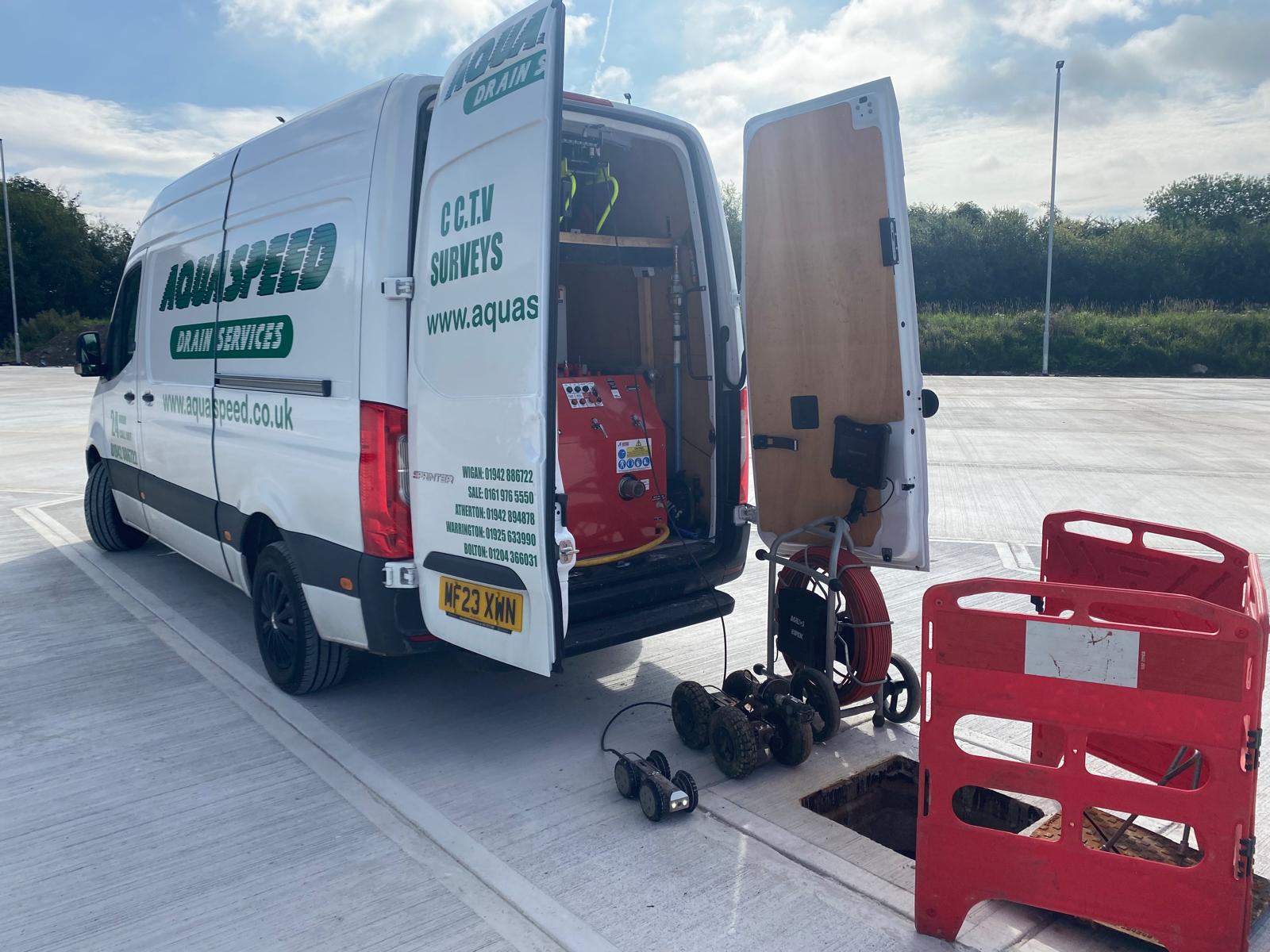
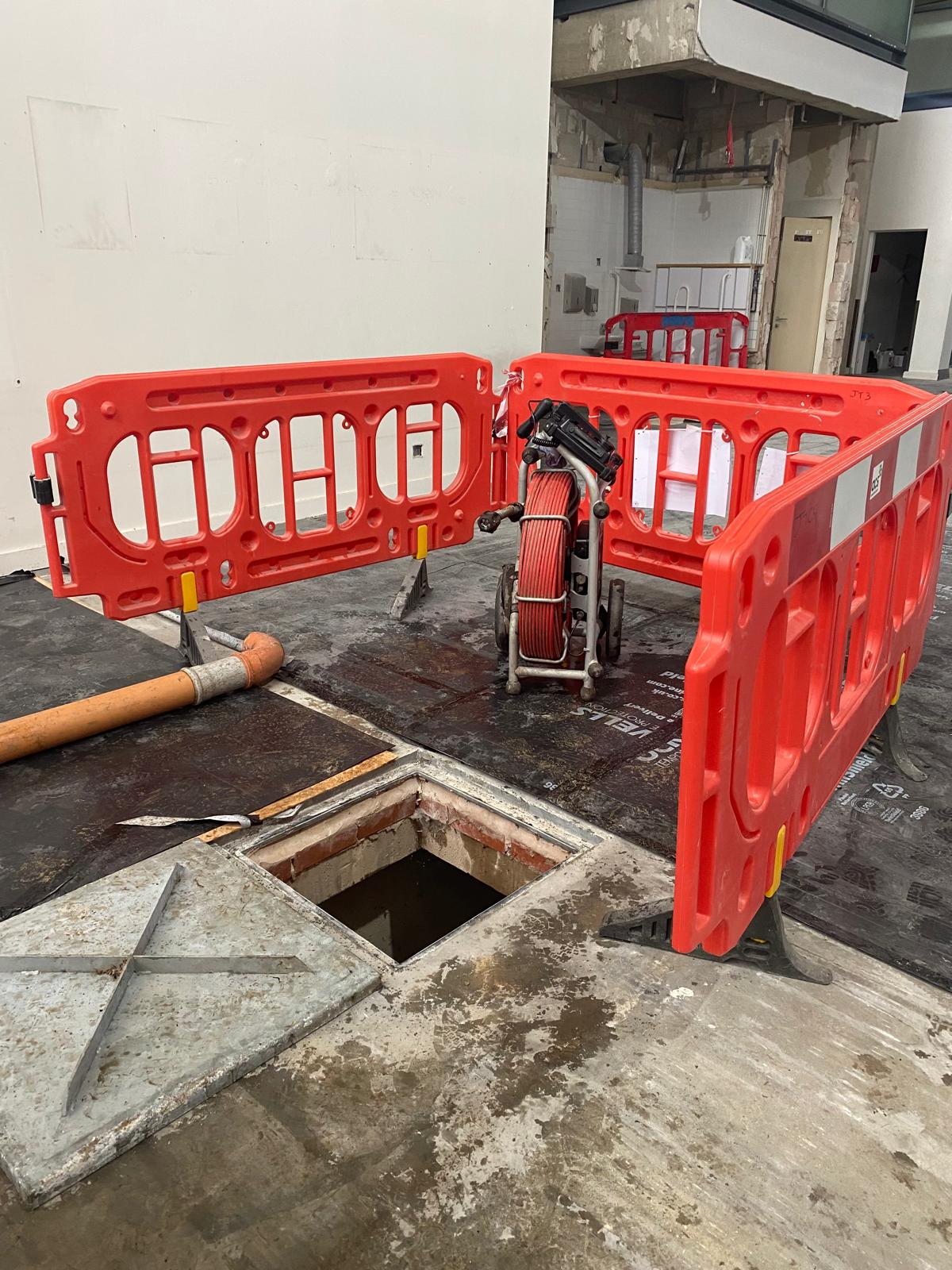
- CCTV surveys: Definitive proof of drainage layout and ownership
- Water company liaison: We'll help you deal with disputes
- Private drain service: When it's confirmed as your responsibility
- Documentation: Reports for insurance and legal purposes
- Honest assessment: We'll tell you if it should be free (water company)
Not sure who's responsible for your drainage problem? Call Aquaspeed on 0800 019 0073 for free advice. We'll help you determine ownership and take the right action - saving you time and potentially thousands of pounds.