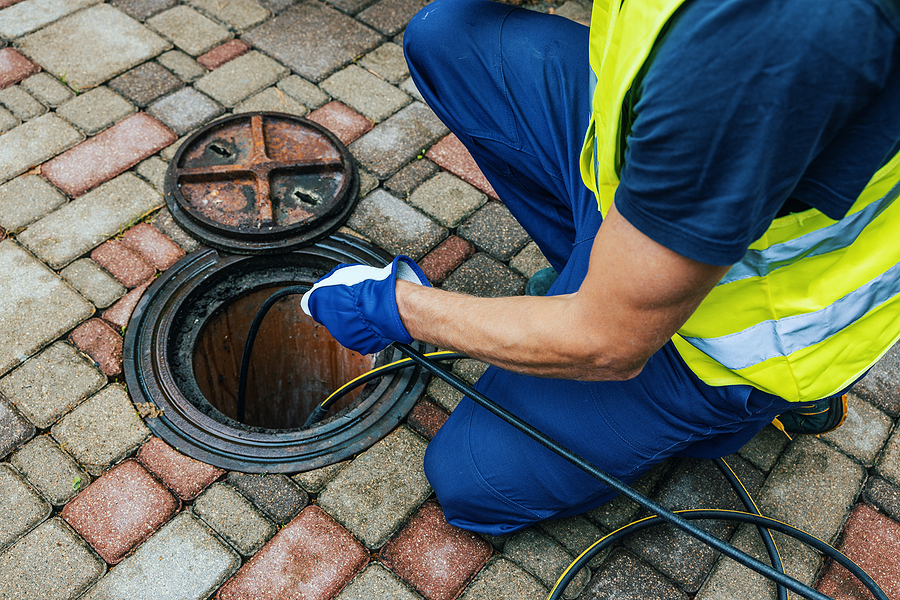
Commercial Drainage Maintenance: Protecting Your Business from Disruption
Aquaspeed
Commercial Drainage: Essential Infrastructure for Business Success
For commercial properties, drainage failures don't just mean inconvenience - they mean lost revenue, health code violations, reputation damage, and potential business closure. Proper drainage maintenance is essential business infrastructure management, not an optional expense.
Why Commercial Drainage Differs from Residential
Higher Usage Demands
Commercial Properties Face:
- Greater volume: 10-100x more water usage than homes
- Constant use: 8-24 hours daily vs. intermittent home use
- Multiple users: Staff and public vs. single family
- Specialized waste: Grease, chemicals, food waste
- Peak loads: Hundreds using facilities simultaneously
Greater Consequences of Failure
Drainage Problems Can Cause:
- Business closure: Immediate by Environmental Health
- Lost revenue: £1,000-£10,000+ per day closed
- Reputation damage: Negative reviews, social media
- Health violations: Fines, prosecution, license loss
- Insurance issues: Claims denied for poor maintenance
- Staff problems: Can't work in unsanitary conditions
Regulatory Requirements
Businesses Must Comply With:
- Health and Safety at Work Act
- Environmental Protection regulations
- Trade Effluent consents
- Food Safety Act (food businesses)
- Building Regulations drainage standards
- Water Industry Act provisions
Industry-Specific Drainage Challenges
Restaurants and Food Service
Unique Challenges:
- FOG (Fats, Oils, Grease): Number one cause of blockages
- Food waste: Particles, peelings, coffee grounds
- High water volume: Constant dishwashing and cleaning
- Multiple drainage points: Kitchens, bars, prep areas, restrooms
- Strict regulations: Environmental Health inspections
Required Equipment:
- Grease traps: Must be properly sized and maintained
- Interceptors: For solid waste separation
- Regular professional cleaning: Every 1-3 months minimum
- Staff training: Proper waste disposal procedures
Maintenance Schedule:
- Daily: Clear sink strainers, scrape plates properly
- Weekly: Clean grease trap baffles, flush drains with hot water
- Monthly: Professional grease trap emptying (or as needed)
- Quarterly: High-pressure jetting of main drains
- Annually: CCTV survey of complete system
Costs for Restaurant Drainage:
- Grease trap emptying: £80-£200 per visit
- Quarterly jetting: £200-£400
- Emergency blockage: £300-£800
- Annual maintenance contract: £1,200-£3,000
Hotels and Hospitality
Complex Systems Include:
- Multiple kitchens and restaurants
- Dozens to hundreds of bathrooms
- Laundry facilities (commercial scale)
- Swimming pools and spas
- Conference facilities
- Staff areas
Critical Considerations:
- Guest experience: Drainage issues visible to customers
- 24/7 operation: No downtime for major repairs
- Reputation risk: Reviews mention drainage problems
- Occupancy impact: Can't rent rooms with bathroom issues
Recommended Maintenance:
- Monthly inspection of all systems
- Quarterly professional maintenance
- 24/7 emergency service contract
- Annual complete system survey
- Documented maintenance logs
Retail and Shopping Centers
Drainage Demands:
- High-traffic public restrooms
- Food courts (if applicable)
- Staff facilities
- Loading bay areas
- Car park drainage
- Multiple tenants sharing systems
Management Challenges:
- Public use: Misuse and abuse common
- Multiple stakeholders: Landlord vs. tenant responsibilities
- Large areas: Extensive drainage networks
- Accessibility: Repairs without disrupting shoppers
Preventive Measures:
- Robust fixtures resistant to vandalism
- Regular professional cleaning
- Clear signage about proper use
- Monitoring systems for early detection
- Rapid response to issues
Office Buildings
Typical Setup:
- Restrooms on multiple floors
- Kitchenettes/break rooms
- Possible cafeteria or restaurant
- Server rooms (condensate drainage)
- Underground car parks
Key Concerns:
- Business hours: Hundreds using facilities simultaneously
- Peak demand: Morning, lunch, end of day surges
- Tenant responsibilities: Leases should specify maintenance
- Access for repairs: Working around office operations
Smart Maintenance:
- Schedule major work for weekends/holidays
- Preventive contracts prevent disruption
- Monitor high-use areas more frequently
- Document all maintenance for lease compliance
Healthcare Facilities
Critical Requirements:
- Infection control: Drainage linked to sanitation
- Regulatory compliance: CQC, health inspections
- Vulnerable patients: Zero tolerance for failures
- Specialized waste: Medical, chemical, bodily fluids
- 24/7 operation: Cannot close for repairs
Enhanced Maintenance:
- Weekly monitoring of all systems
- Monthly professional inspection
- Quarterly deep cleaning
- Immediate emergency response
- Detailed documentation for inspectors
Industrial and Manufacturing
Specialized Needs:
- Process water drainage
- Chemical and oil separation
- Trade effluent consent compliance
- High-volume discharge
- Interceptors and treatment systems
Compliance Critical:
- Environmental Agency regulations
- Trade effluent discharge consents
- Regular sampling and testing
- Substantial fines for violations
- Possible prosecution for serious breaches
Developing a Commercial Drainage Maintenance Plan
Risk Assessment
Evaluate Your Business:
- Usage level: Volume and frequency of water use
- System age: Older systems need more attention
- Type of waste: Grease, chemicals, food, general sewage
- Consequences of failure: How critical is drainage to operations?
- Regulatory requirements: What compliance is mandatory?
- Insurance requirements: Does policy require maintenance?
Preventive Maintenance Schedule
Daily Tasks (Staff Responsibilities):
- Clear sink strainers and grates
- Proper waste disposal (no FOG down drains)
- Hot water flush of kitchen drains
- Visual check for slow drainage
- Report any issues immediately
Weekly Tasks:
- Clean grease trap baffles
- Inspect external gullies and drains
- Check for odors or slow drainage
- Clear debris from external drains
- Test emergency drainage procedures
Monthly Professional Service:
- Grease trap emptying (food businesses)
- Inspection of all accessible drains
- Minor blockage clearance
- Bacterial treatment if beneficial
- Written maintenance log entry
Quarterly Deep Clean:
- High-pressure water jetting
- All main drain runs cleaned
- Inspection of manholes
- Check for developing problems
- Update maintenance records
Annual Comprehensive Survey:
- Complete CCTV drain survey
- Condition assessment report
- Identify repairs needed
- Plan for upcoming work
- Budget for next year's maintenance
Maintenance Contracts vs. Reactive Callouts
Benefits of Maintenance Contracts
Cost Savings:
- Preventive cheaper than reactive: £2,000/year contract vs. £5,000+ emergency repairs
- Fixed budgeting: Predictable annual costs
- Discounted rates: Contract rates 20-40% lower than callouts
- No emergency premiums: Emergency service included
Operational Benefits:
- Reduced downtime: Problems caught early
- Priority service: Contract customers first in emergencies
- Planned maintenance: Scheduled at convenient times
- Dedicated account manager: Knows your system
- 24/7 emergency line: Direct contact, not call center
Compliance and Insurance:
- Documented maintenance: Proves due diligence
- Regulatory compliance: Meets health and safety requirements
- Insurance friendly: May reduce premiums
- Audit trail: Records for inspections
Typical Contract Costs
Small Business (Restaurant, Small Office):
- Monthly visits: £100-£150/month (£1,200-£1,800/year)
- Quarterly visits: £400-£600 per visit (£1,600-£2,400/year)
- Includes: Regular cleaning, grease trap emptying, emergency callouts
Medium Business (Hotel, Large Restaurant, Office Building):
- Monthly comprehensive service: £300-£600/month (£3,600-£7,200/year)
- Includes: Regular maintenance, jetting, CCTV, priority emergency response
Large Commercial (Shopping Center, Hospital, Large Hotel):
- Bespoke contracts: £8,000-£25,000+/year
- Includes: Dedicated engineer, scheduled maintenance, 24/7 emergency, annual survey
Legal and Regulatory Compliance
Trade Effluent Consents
Who Needs Consent:
- Restaurants and food manufacturing
- Car washes and vehicle maintenance
- Industrial processes
- Laundries and dry cleaners
- Any business discharging non-domestic waste
Consent Requirements:
- Apply to water company before discharge
- Specify type and volume of effluent
- Install required treatment (grease traps, interceptors)
- Pay annual consent fees (£200-£2,000+)
- Regular sampling and monitoring
- Keep maintenance records
Penalties for Non-Compliance:
- Fines up to £20,000
- Prosecution in serious cases
- Unlimited fines in Crown Court
- Business closure orders
- Personal liability for directors
Food Safety Act Compliance
For Food Businesses:
- Drainage must not contaminate food
- No foul odors in food areas
- Proper grease management
- Regular professional cleaning
- Documented maintenance program
Environmental Health Inspections:
- Can inspect drainage systems
- Require proof of maintenance
- Can issue closure notices
- Zero tolerance for sewage backups
- Food hygiene rating affected
Health and Safety Responsibilities
Employer Duties:
- Provide safe working environment
- Functional sanitation for all staff
- Prevent sewage exposure hazards
- Risk assessments for drainage work
- Training on proper waste disposal
Public Liability:
- Customer safety if drainage fails
- Slip hazards from overflows
- Health risks from sewage exposure
- Claims for illness or injury
- Insurance may be void without maintenance
Emergency Preparedness
Developing an Emergency Plan
Your Plan Should Include:
- Emergency contacts: 24/7 drainage company, water company, utilities
- Staff procedures: Who to call, what actions to take
- Containment measures: How to minimize damage
- Customer communication: Protocols for closures/disruption
- Alternative arrangements: Backup facilities if possible
- Insurance notification: When and how to report claims
Emergency Equipment
On-Site Essentials:
- Plungers (heavy-duty commercial grade)
- Drain rods (for accessible blockages)
- Wet/dry vacuum
- Absorbent materials/spill kits
- Warning signs and barriers
- Emergency contact list
- Drainage system plans
Technology and Monitoring
Smart Drainage Monitoring
Available Systems:
- Flow monitors: Detect unusual drainage patterns
- Level sensors: Alert when grease traps or interceptors full
- CCTV monitoring: Permanent cameras in problem areas
- Remote monitoring: Real-time alerts to phones/computers
- Predictive analytics: AI predicts likely blockages
Benefits:
- Early warning prevents emergencies
- Optimize maintenance scheduling
- Reduce callout costs
- Compliance documentation
- Insurance premium reduction
Costs:
- Basic monitoring: £500-£2,000 installation + £20-£50/month
- Advanced systems: £3,000-£10,000 + £50-£200/month
- ROI: Usually recovered within 12-24 months through avoided emergencies
Case Studies: Commercial Drainage Disasters Prevented
Case Study 1: Restaurant Chain, Central Manchester
Situation:
- Busy restaurant, 200 covers/night
- Reactive maintenance only (call when blocked)
- 3-4 emergency callouts/year at £400-£600 each
- Each closure lost £2,000-£3,000 revenue
Solution Implemented:
- Monthly maintenance contract: £180/month
- Grease trap emptying and drain jetting
- Staff training on FOG disposal
- Quarterly CCTV inspections
Results First Year:
- Zero emergency callouts
- No lost revenue from closures
- Annual cost: £2,160 (contract) vs. previous £8,000+ (emergencies + lost revenue)
- Saving: £5,840 in first year
- Environmental Health rating improved from 3 to 5 stars
Case Study 2: Hotel, Liverpool
Situation:
- 100-room hotel with restaurant
- Recurring blockages in main sewer
- Emergency callouts every 2-3 months
- Guest complaints about bathroom issues
- TripAdvisor reviews mentioning drainage
Investigation:
- CCTV survey revealed tree root intrusion
- 30-meter section severely compromised
- Multiple cracks allowing root entry
Solution:
- No-dig CIPP relining: £5,200
- Quarterly maintenance contract: £400/quarter
- Annual CCTV monitoring included
Outcome:
- No blockages in 2+ years since relining
- Guest satisfaction scores improved
- Negative reviews about facilities eliminated
- Investment recovered through avoided emergencies and better reviews
Why Choose Aquaspeed for Commercial Drainage?
Lancashire and Greater Manchester businesses trust Aquaspeed for:
- 30+ years commercial experience: Every business type, every drainage challenge
- Flexible contracts: Tailored to your business needs and budget
- True 24/7 emergency service: Priority response for contract customers
- Minimal disruption: Work around your business hours
- Latest technology: CCTV, jetting, no-dig repairs, monitoring systems
- Compliance expertise: Help meet all regulatory requirements
- Documented service: Full records for inspections and insurance
- Account management: Dedicated contact who knows your system
- Preventive focus: Stop problems before they cause disruption
Protect your business from drainage disasters. Call Aquaspeed on 0800 019 0073 for a free commercial drainage assessment and no-obligation maintenance quote. Let us design a program that keeps your business flowing smoothly.