DIY vs Professional Drain Cleaning: When to Call the Experts
Aquaspeed
Making the Right Choice for Your Drainage Problem
Faced with a blocked drain, homeowners naturally wonder: "Can I fix this myself, or do I need a professional?" This guide helps you make an informed decision that saves money while avoiding costly mistakes.
DIY Drain Cleaning: What You Can Safely Handle
Simple Sink and Basin Blockages
When DIY is Appropriate:
- Single fixture affected (one sink or basin)
- Recent blockage (last 24-48 hours)
- Slow drainage rather than complete blockage
- Known cause (e.g., hair in bathroom sink)
- No foul odors or backing up water
Safe DIY Methods:
1. Plunger Method
- Fill sink with 2-3 inches of water
- Block overflow with wet cloth
- Place plunger over drain
- Plunge vigorously 15-20 times
- Repeat 2-3 times if needed
2. Manual Removal
- Remove drain cover or pop-up stopper
- Use bent wire or drain snake to pull out debris
- Common culprits: hair, soap buildup, small objects
- Clean extracted material from drain area
- Run hot water to flush
3. Natural Drain Cleaner
Pour 1/2 cup baking soda down drain
Follow with 1 cup white vinegar
Let sit 30 minutes
Flush with boiling water
Repeat if necessary
4. P-Trap Cleaning
- Place bucket under P-trap
- Loosen slip nuts with wrench
- Remove trap and clean thoroughly
- Check for objects or buildup
- Reassemble and test
Shower and Bath Hair Blockages
DIY-Friendly Scenarios:
- Visible hair buildup at drain opening
- Gradual slowing over weeks/months
- Regular occurrence in household
Effective Methods:
- Drain snake or zip-it tool (£3-£10)
- Remove drain cover and extract hair
- Install hair catcher to prevent future issues
- Monthly maintenance with baking soda/vinegar
Preventive Maintenance You Can Do
Weekly Tasks:
- Pour boiling water down kitchen drains
- Clean visible drain covers
- Check under sinks for slow leaks
Monthly Tasks:
- Baking soda and vinegar treatment
- Clean P-traps in frequently used sinks
- Clear hair from bathroom drains
- Check outdoor drain grates
When DIY Becomes Dangerous: Red Flags
Chemical Drain Cleaners: Use with Extreme Caution
Why We Generally Don't Recommend Them:
- Pipe damage: Caustic chemicals corrode pipes over time
- Health hazards: Toxic fumes and skin burns
- Environmental harm: Poison water systems
- Ineffective on major blockages: Often just create toxic standing water
- Dangerous for professionals: If you later call us, residual chemicals create hazards
If You Must Use Chemical Cleaners:
- Use only as absolute last resort
- Choose enzyme-based products (safer but slower)
- Never mix different products
- Wear gloves and eye protection
- Ensure good ventilation
- Keep children and pets away
- Tell professionals if used before their visit
DIY Drain Augers: Know the Risks
Motorized drain snakes can cause serious problems:
Potential Damages:
- Cracking old clay or ceramic pipes
- Punching through pipe walls
- Getting stuck in pipes (expensive removal)
- Scratching plastic pipe interiors
- Creating worse blockages by compacting debris
Safety Concerns:
- Powerful motors can cause injury
- Kickback when hitting blockages
- Electrical hazards near water
- No training on proper operation
Our Recommendation: Stick to manual drain snakes for minor clogs. Leave powered augers to professionals who know pipe materials and proper techniques.
Situations Requiring Professional Help
Multiple Fixtures Affected
Warning Signs:
- Toilet flushes cause water in shower
- Sink drainage affects other sinks
- Downstairs and upstairs fixtures both affected
- All drainage slow simultaneously
Why It's Serious:
- Indicates main sewer line blockage
- Beyond reach of DIY methods
- Can cause sewage backup into home
- May require excavation or relining
- Professional equipment essential
Recurring Blockages
When the Same Drain Blocks Repeatedly:
- Temporary fixes don't address root cause
- May indicate structural problems
- Could be tree root intrusion
- Possible collapsed or damaged pipe
- Scale buildup or pipe deterioration
Professional Solutions:
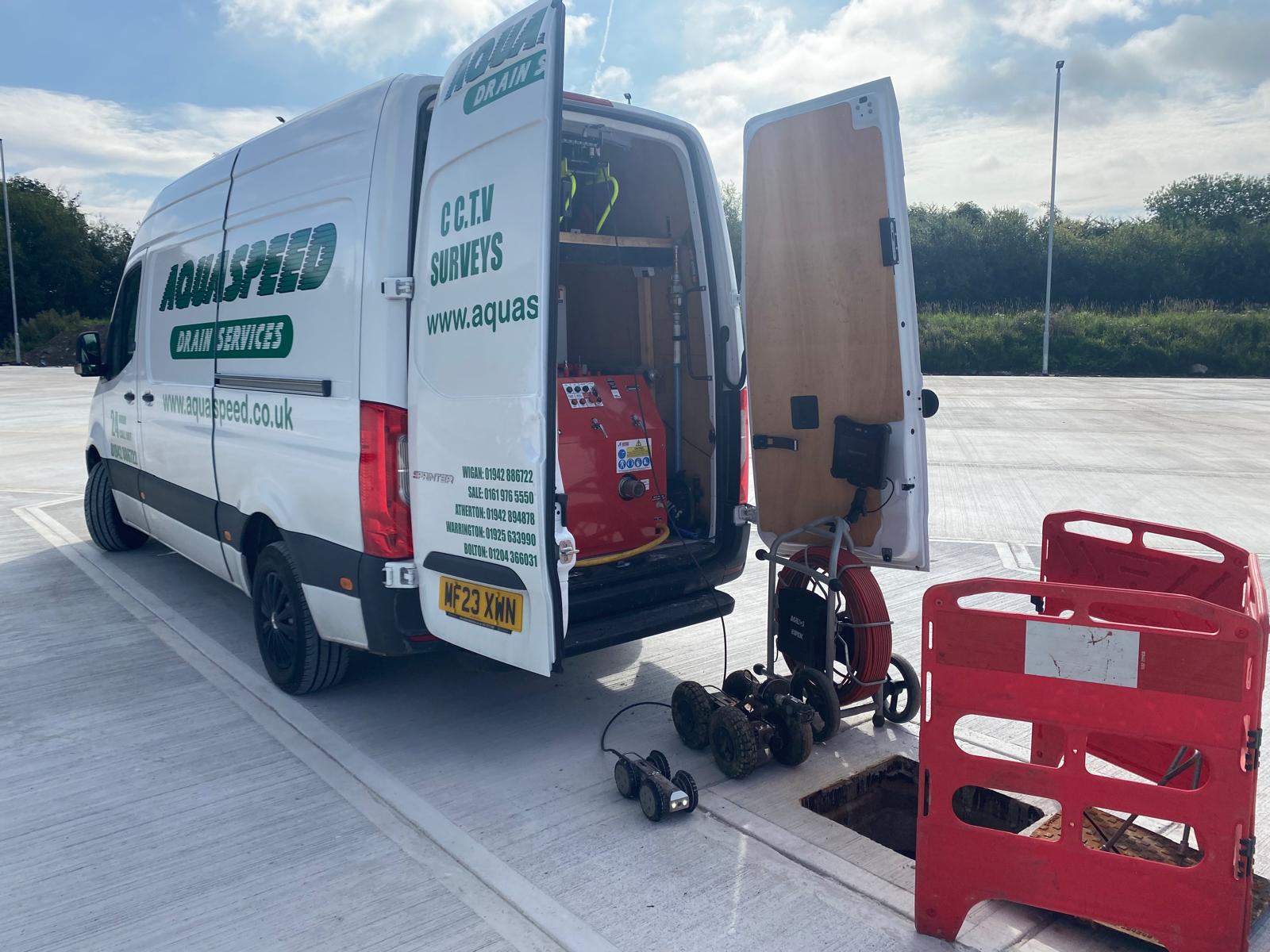
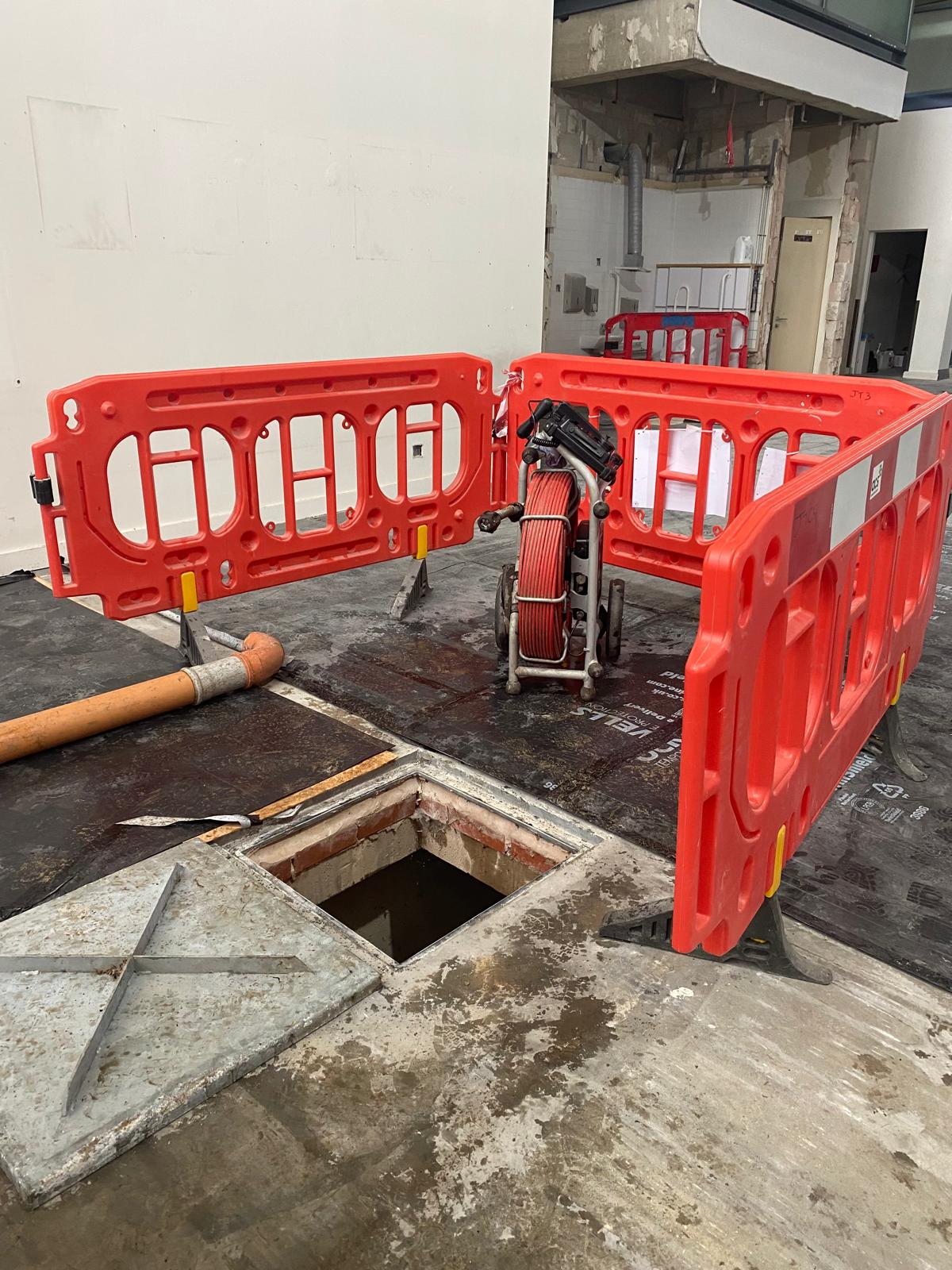
- CCTV survey identifies actual problem
- High-pressure jetting for deep cleaning
- Root cutting if tree intrusion present
- Repair or relining for damaged pipes
- Long-term solution, not temporary fix
Foul Sewage Odors
Never Ignore These Smells:
- Indicates sewer gas entering home
- Health hazard (methane, hydrogen sulfide)
- Suggests serious drainage problem
- Could indicate blocked vents
- May signal cracked pipes
Health Risks:
- Respiratory irritation
- Nausea and headaches
- Exposure to harmful bacteria
- Potential explosion risk with methane buildup
Outdoor Drain Blockages
Signs of External Drainage Problems:
- Standing water around outside drains
- Manhole covers lifting or overflowing
- Sewage surfacing in garden
- Gurgling from outdoor drains
Why DIY Won't Work:
- Deep underground pipes beyond rod reach
- Requires powerful jetting equipment
- May need excavation
- Health and safety concerns with sewage
- Possible Environmental Agency involvement
Complete Blockages
When Nothing Drains At All:
- Water rises instead of draining
- Toilets won't flush
- Sewage backing up
- Immediate health hazard
Emergency Professional Help Needed:
- 24/7 emergency drainage services
- High-pressure jetting equipment
- CCTV diagnosis
- Possible excavation access
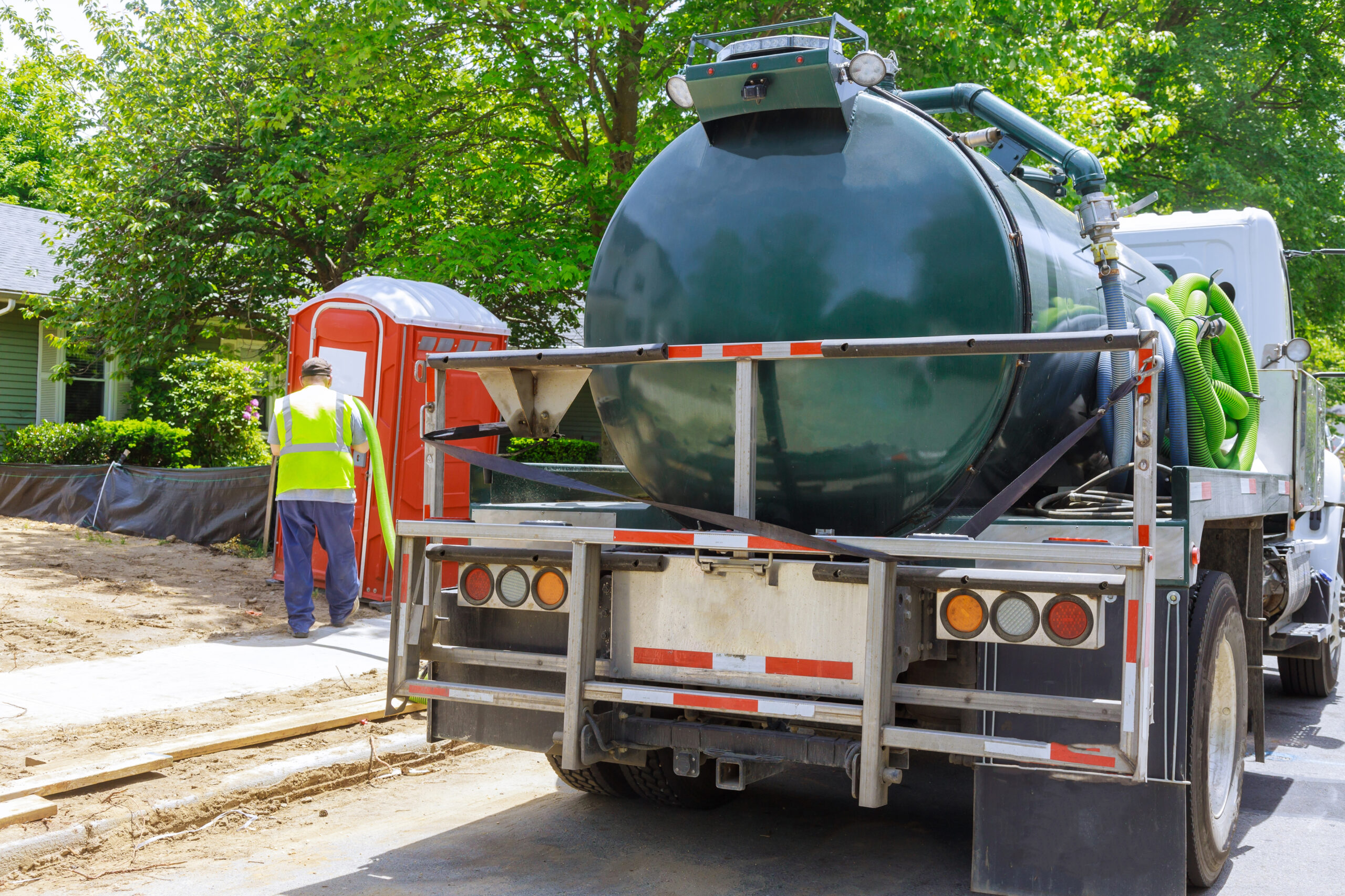
- Proper sewage handling and cleanup
The True Cost Comparison
DIY Costs
Equipment and Materials:
- Basic plunger: £5-£15
- Manual drain snake: £10-£30
- Baking soda and vinegar: £3-£5
- Chemical drain cleaner: £5-£15
- Drain cleaning brush: £5-£10
Total DIY Investment: £30-£75 for basic toolkit
Hidden Costs of Failed DIY:
- Wasted time (4-8 hours trying different methods)
- Damaged pipes requiring professional repair: £500-£2,000+
- Chemical burns or injuries: Medical costs
- Water damage from overflow: £1,000-£10,000+
- Professional still needed: Full callout fee
Professional Costs
Standard Callout:
- Simple blockage clearance: £80-£150
- High-pressure jetting: £150-£300
- CCTV survey: £100-£200 (often included)
- Emergency callout: £150-£400
What You Get:
- Guaranteed results
- Professional diagnosis
- Proper equipment
- No damage to pipes
- Health and safety compliance
- Warranty on work
- Expert advice on prevention
Real Cost Comparison: Case Study
Scenario: Blocked kitchen drain
DIY Approach:
- Try plunger: 1 hour, £10
- Buy drain cleaner: £12
- Wait overnight: no improvement
- Rent drain snake: £30/day
- Attempt use: crack old pipe
- Call emergency plumber: £350
- Pipe repair needed: £800
- Total: £1,202 + 2 days lost
Professional Approach:
- Call drainage specialist
- Visit same day: £120
- High-pressure jetting clears blockage
- CCTV check included
- Preventive advice given
- Fixed in 90 minutes
- Total: £120 + minimal disruption
Questions to Ask Yourself Before DIYing
Assessment Checklist
- Is only one fixture affected? Yes = possibly DIY | No = call professional
- Is it a recent blockage? Yes = possibly DIY | Recurring = call professional
- Can you see the blockage? Yes = possibly DIY | No = call professional
- Is there sewage backing up? Yes = call professional immediately
- Are there foul odors? Yes = call professional
- Do you have the right tools? No = consider professional
- Are you comfortable with plumbing? No = call professional
- Is your drainage system old? Yes = call professional (fragile pipes)
- Have DIY attempts failed? Yes = definitely call professional
- Is it an emergency? Yes = call professional immediately
If you answered "call professional" to 3+ questions, save time and money by calling experts from the start.
How to Work Effectively with Drainage Professionals
Before They Arrive
- Clear access: Move items blocking drains and manholes
- Document problems: Note when blockages occur, what triggers them
- Locate drains: Know where external access points are
- Secure pets: Keep them away from work area
- Don't use drains: Stop using affected fixtures
- Mention DIY attempts: Tell them what you've tried (especially chemicals)
Questions to Ask
- What caused the blockage?
- Is there underlying damage?
- How can I prevent this recurring?
- What's the condition of my drainage system?
- Do you recommend any repairs or upgrades?
- What warranty do you provide?
- Should I schedule regular maintenance?
What to Expect
Assessment Phase:
- Discussion of symptoms
- Visual inspection of affected fixtures
- Possible CCTV survey for unclear issues
- Quote for work before proceeding
Clearance Phase:
- Appropriate method selected (jetting, rodding, etc.)
- Blockage cleared
- System tested
- Cleanup of work area
Follow-up:
- Explanation of cause
- Preventive recommendations
- Written report if CCTV used
- Warranty documentation
Preventive Measures: The Best DIY Strategy
The most effective DIY approach is prevention:
Kitchen Drains
- Never pour fats/oils down sink
- Use sink strainer for food particles
- Weekly hot water flush
- Monthly baking soda treatment
- Scrape plates into bin
Bathroom Drains
- Install hair catchers
- Clean catchers weekly
- Avoid thick soaps that leave residue
- Monthly natural drain cleaner
- Don't flush anything except toilet paper
Outdoor Drains
- Clear leaves from grates monthly
- Trim vegetation near drains
- Check after heavy rain
- Annual professional inspection
Why Choose Aquaspeed for Professional Drainage?
When DIY isn't enough, trust Lancashire and Greater Manchester's drainage experts:
- 30+ years experience: We've seen every drainage problem
- Proper equipment: Industrial high-pressure jetting and CCTV
- Trained technicians: Know how to diagnose and fix issues safely
- Transparent pricing: Clear quotes before work begins
- 24/7 emergency service: Fast response when disaster strikes
- Guaranteed work: Confidence in our solutions
- Preventive advice: Help you avoid future problems
- No-obligation quotes: Assessment and advice even if you decide on DIY
Unsure if you need professional help? Call Aquaspeed on 0800 019 0073 for free telephone advice. We'll help you decide if it's DIY-able or requires our expertise - no obligation, no callout fee for advice.